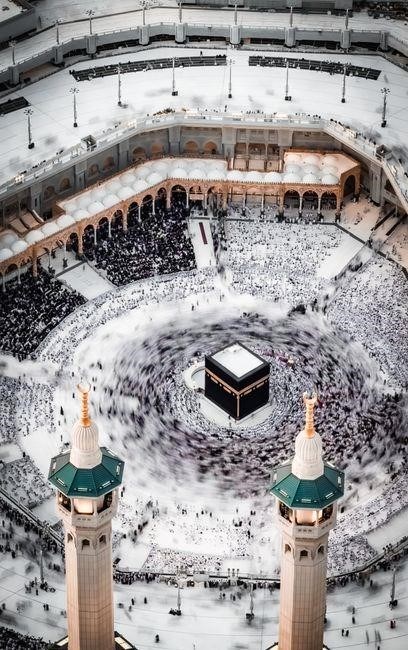
Overview of Umrah PDF Guides
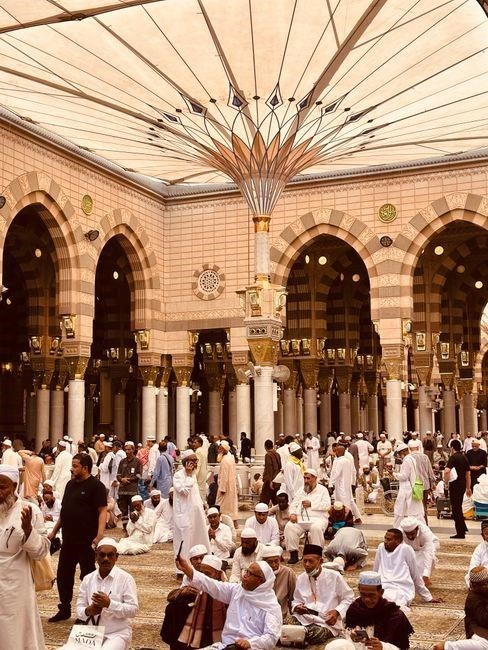
These PDF guides compile step‑by‑step rituals‚ from Ihram to Tawaf‚ with concise instructions‚ recommended prayers‚ and practical tips. They offer downloadable formats‚ clear illustrations‚ and links to authentic sources‚ ensuring pilgrims can study and follow the correct procedures before departure.!!Free PDF now.
Types of Umrah PDF Resources
Umrah PDF resources come in several formats‚ each tailored to different learning styles and travel needs. The most common types include:
- Comprehensive Guides – These cover every ritual from Ihram to Sa’i‚ with step‑by‑step instructions‚ recommended supplications‚ and practical tips for handling crowds. They often feature images and diagrams to illustrate the sequence of movements.
- Quick‑Start Cheat Sheets – Designed for travelers who want a concise reference‚ these PDFs condense the core actions into a single page or a few pages. They highlight key phrases‚ timing‚ and essential dos and don’ts.
- Interactive eBooks – Some publishers embed hyperlinks to audio recitations of Talbiyah‚ Qibla direction tools‚ and QR codes that link to live streams of the Masjid al‑Haram. These PDFs allow pilgrims to practice the correct pronunciation before arriving.
- Multilingual Editions – Recognizing the global nature of Umrah‚ many PDFs are available in Arabic‚ English‚ Urdu‚ Malay‚ and other languages. They provide translations of prayers and instructions‚ making them accessible to a wide audience.
- Mobile‑Optimized PDFs – With the rise of smartphones‚ some guides are formatted for easy reading on small screens. They use larger fonts‚ simplified layouts‚ and touch‑friendly navigation‚ ensuring pilgrims can consult them on the go.
- Official Ministry Publications – Issued by the Saudi Ministry of Hajj and Umrah‚ these PDFs contain the most up‑to‑date regulations‚ visa requirements‚ and safety guidelines. They are considered the source for legal compliance;
Use them to stay on track daily!!.
Availability and Download Sources
Umrah PDFs are widely distributed through official and community channels. The Saudi Ministry of Hajj and Umrah’s website hosts a dedicated portal where pilgrims can download the latest version of the “Umrah Guide” in PDF format‚ often updated to reflect new health protocols and procedural changes. Many travel agencies and tour operators provide the same documents as part of their pre‑departure packages‚ ensuring that travelers receive a copy in the language of their choice. Additionally‚ reputable Islamic scholarship sites such as IslamQA and Al‑Islam.org offer free‚ downloadable PDFs that compile the rituals‚ supplications‚ and legal rulings related to Umrah. Mobile applications that support PDF viewing‚ like Adobe Acrobat Reader or the official “Umrah Companion” app‚ allow pilgrims to access these guides on the go‚ with features such as bookmarking‚ annotation‚ and offline reading. For those who prefer printed copies‚ many publishers sell hard‑back versions of the guide through online bookstores‚ while some mosques and community centers provide printed handouts for local travelers. Finally‚ peer‑to‑peer sharing platforms such as Reddit’s Umrah subreddit often host links to community‑curated PDFs‚ ensuring that even last‑minute travelers can obtain a reliable reference before departure.
To ensure authenticity‚ always verify the digital signature or checksum provided by the source. Some providers embed a PDF watermark that includes the publication date and the issuing authority‚ which can be cross‑checked against official announcements on the Ministry’s social media feeds. For users with limited bandwidth‚ compressed PDF versions (under 200 KB) are available‚ while high‑resolution versions with full color illustrations are offered for a nominal fee. The PDF format is chosen for its universal compatibility across Windows‚ macOS‚ Android‚ and iOS devices‚ making it the most reliable medium for pilgrims worldwide.
In addition to direct downloads‚ some universities’ Islamic studies departments host archival PDFs of classical Umrah manuals‚ which can be accessed via institutional repositories. These older texts provide historical context and are valuable for scholars seeking to compare contemporary practices with traditional interpretations. When downloading from third‑party sites‚ always scan the file with antivirus software to avoid malicious attachments. The PDF format’s inherent security features‚ such as password protection and digital certificates‚ help safeguard the integrity of the guide during transit.
Legal and Authenticity Considerations
When acquiring an Umrah guide in PDF‚ verifying its legal standing is paramount. Official documents issued by the Saudi Ministry of Hajj and Umrah carry a digital signature and a unique serial number that can be cross‑checked on the ministry’s verification portal‚ ensuring the file has not been altered since publication. Scholars and reputable Islamic institutions also publish PDFs‚ typically including a watermark with the institution’s seal and a publication date; pilgrims should compare this against the ministry’s latest release to confirm consistency. Any deviation in size or missing metadata may indicate a counterfeit. Legal compliance also involves respecting copyright: the Ministry’s PDFs are typically in the public domain‚ but third‑party compilations may retain copyright. Downloading from the ministry’s site or an authorized distributor guarantees compliance with Saudi copyright law. Before printing or sharing‚ users should ensure the PDF is not password‑protected unless it is a personal copy; public guides should remain open to facilitate widespread access. Many trusted travel agencies embed a QR code linking directly to the ministry’s server; scanning the code instantly confirms authenticity. Pilgrims should also verify the PDF’s digital certificate‚ which often includes the issuing authority’s name and a validity period; expired certificates signal potential tampering. Additionally‚ reputable scholars recommend cross‑checking the guide’s content against the latest fatwas issued by recognized Islamic bodies‚ ensuring that the rituals described align with current jurisprudence. Finally‚ keeping a backup copy on a secure cloud storage can protect against accidental loss‚ allowing the pilgrim to maintain continuous access to the authentic guide throughout the journey. Pilgrims can also consult.
Pre-Umrah Preparation
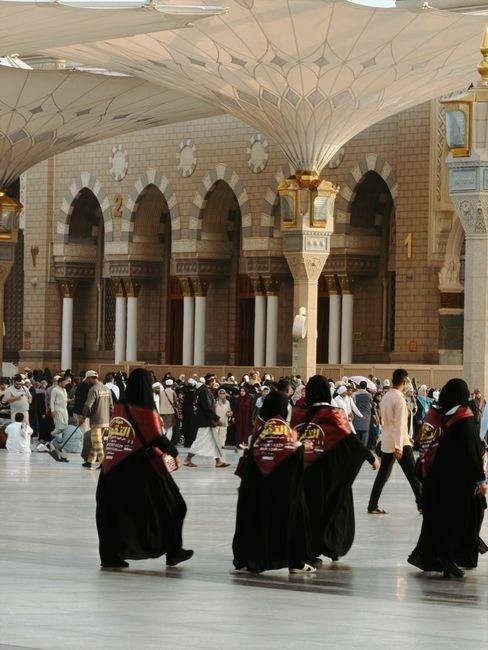
Before the journey‚ review the PDF guide for physical readiness‚ noting recommended exercises and hydration tips. Check health sections for required vaccinations and a recent medical check‑up. Verify travel documents‚ visa status‚ and pack Ihram garments as instructed. Stay informed. Thank
Physical and Spiritual Readiness
Before embarking on Umrah‚ the PDF guide stresses balanced preparation for body and soul. Physically‚ start a light routine a month early‚ walking‚ stretching‚ and core work to endure long standing. Hydrate 2–3 liters daily‚ avoid caffeine‚ and eat a balanced diet of fruits‚ veggies‚ lean protein‚ and complex carbs for steady energy. Sleep 7–8 hours to reduce fatigue and sharpen focus during rituals.
Spiritual readiness begins with a clear intention (niyyah) to perform Umrah for Allah. Recite the Talbiyah with understanding‚ and engage in daily supplications that reinforce humility and gratitude. Review Qur’an and Hadith on Umrah‚ using the guide’s recommended chapters to deepen knowledge. Reflect on personal goals and past shortcomings to foster repentance and growth. Set aside time for quiet reflection or meditation to align heart with the pilgrimage’s purpose.
Combining these physical and spiritual steps creates holistic readiness‚ allowing pilgrims to perform each act of worship with mindfulness‚ patience‚ and reverence. The PDF guide offers checklists and sample schedules so travelers can track progress and avoid overlooking any detail. By following these steps‚ pilgrims approach Umrah with confidence‚ knowing they have prepared both body and soul for the sacred experience.
Before departure‚ review the PDF’s checklist of required items: Ihram garments‚ clean shoes‚ modest clothing‚ and essential toiletries. Pack light but include a small towel‚ a reusable water bottle‚ and a travel journal for reflections. Verify visa status‚ flight details‚ and accommodation confirmations. Finally‚ perform a full ablution (Ghusl) and recite the Talbiyah to enter the state of Ihram with sincerity and devotion.
This comprehensive preparation ensures a smooth‚ spiritually enriching journey and peace for all
Health Checks and Vaccinations
Prior to the pilgrimage‚ the PDF guide recommends a comprehensive medical evaluation. Schedule a primary care visit at least 4–6 weeks before departure to assess chronic conditions‚ review medications‚ and obtain a clean bill of health. A full physical exam should include blood pressure‚ heart rate‚ and respiratory function‚ ensuring the pilgrim can endure long periods of walking and standing. This preparation ensures a smooth journey. Stay safe
Vaccinations are mandatory and should align with Saudi health regulations. The guide lists required shots: Hepatitis A and B‚ Typhoid‚ Meningococcal conjugate‚ and a routine influenza vaccine. Depending on age and travel history‚ consider a COVID‑19 booster and a tetanus‑diphtheria‑pertussis (Tdap) update. Bring a copy of the vaccination record in Arabic and English‚ as authorities may request verification upon arrival. Keep the documents organized for quick access
Use a high‑SPF sunscreen‚ wear a wide‑brim hat‚ and apply insect repellent containing DEET to protect against mosquitoes. Carry a small first‑aid kit with bandages‚ antiseptic wipes‚ and pain relievers. Hydration is critical; the guide recommends carrying a reusable water bottle and drinking at least 2 L of water daily to prevent dehydration in the desert climate. Remember to check the expiration dates on all medications
Before boarding‚ perform a self‑check: ensure no fever‚ rash‚ or respiratory symptoms. If symptoms arise‚ seek medical attention immediately and inform travel insurance. By following these health checks and vaccination protocols‚ pilgrims safeguard their well‑being‚ allowing them to focus fully on the spiritual aspects of Umrah. Remember to carry a small‚ portable medical kit and keep emergency contact numbers handy. Stay alert and stay hydrated throughout the trip
Travel Documentation and Visa Process
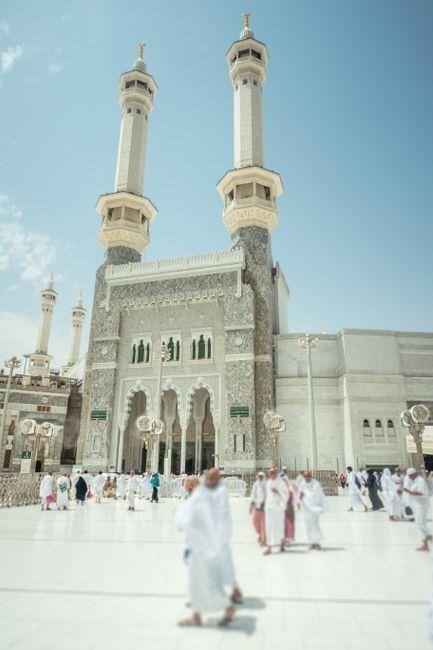
Before booking your flight‚ confirm your passport is valid for at least six months beyond your stay and has a minimum of six blank visa pages. Saudi authorities issue a single‑entry‚ 30‑day Umrah visa via the official portal or licensed agencies. The application requires a recent passport photo‚ a copy of your passport‚ a completed visa form‚ and a travel itinerary. Pay the visa fee—currently about 150 USD—by credit card or bank transfer. Processing takes 5–7 business days; expedited service is available for an extra fee. Once approved‚ you receive an electronic visa (e‑visa) that must be printed and carried in your passport. Saudi immigration scans the QR code on the e‑visa at the airport. Keep a digital backup of all documents in a secure cloud folder‚ and carry hard copies in a waterproof pouch. Ensure your travel insurance covers medical evacuation and trip cancellation.
When traveling‚ carry a passport‑size photo and a copy of your e‑visa in case the scanner fails. Some airlines issue a separate boarding pass for Umrah pilgrims‚ so confirm special procedures with your carrier. Register with your embassy upon arrival; many embassies offer free registration for travelers in Saudi Arabia‚ expediting assistance in emergencies. Keep a list of local emergency contacts‚ including the nearest Saudi embassy‚ police station‚ and hospital. Check the latest travel advisories from both your home country and Saudi Arabia‚ as visa policies may change due to health or security concerns. Staying informed and prepared ensures a smooth‚ stress‑free pilgrimage. Additionally‚ verify that your airline accepts the e‑visa and that you have a valid return ticket before departure. Also‚ carry a small first‑aid kit for minor injuries!
Ihram: The State of Pilgrimage
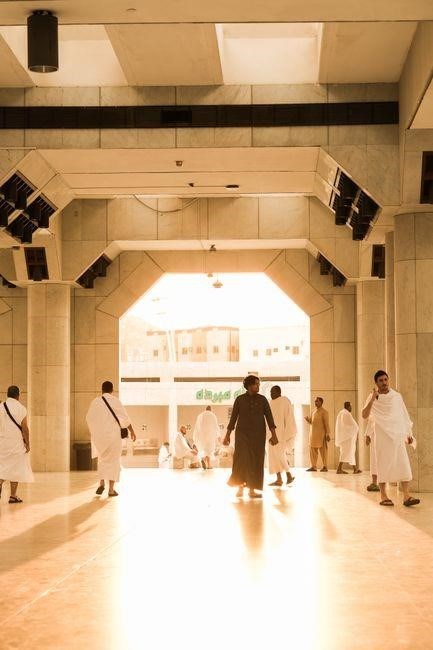
Before entering Ihram‚ perform a full ghusl‚ wear the white unstitched garments‚ and recite the talbiyah. The state prohibits cutting hair‚ using perfume‚ and engaging in quarrels. Maintain humility‚ seek forgiveness‚ and focus on the intention to worship Allah. and seek guidance
Intentions and Talbiyah Recitation
Before donning the Ihram garments‚ a pilgrim must form a sincere intention (niyyah) to perform Umrah for Allah. The intention is internal‚ aligning heart and mind with worship. After the niyyah‚ perform a full ablution (wudu) or a complete bath (ghusl) to purify body and soul. The next step is the talbiyah‚ marking entry into pilgrimage. The talbiyah is recited calmly‚ often in a group‚ and can be repeated as many times as desired. The standard Arabic form is: “Allahu Akbar‚ Allahu Akbar‚ Allahu Akbar. Labbayka Allahumma labbayk. Labbayka laa shareeka laka labbayk. Inna al-hamda wa al-ni’ma laka‚ wa inna al-mas’udatu laka‚ wa inna al-mas’udatu laka‚ wa inna al-mas’udatu laka.” The meaning is “Allah is the greatest‚ here I am‚ O Allah‚ there is no partner with You‚ truly all praise and blessings belong to You.” Reciting the talbiyah reinforces devotion‚ reminds of unity‚ and signals readiness to perform sacred rites. It is recommended to recite it at Miqat and before Tawaf. The repetition should be heartfelt‚ not rushed‚ followed by a brief pause to reflect on its significance. This practice maintains focus‚ humility‚ and spiritual connection throughout Umrah.
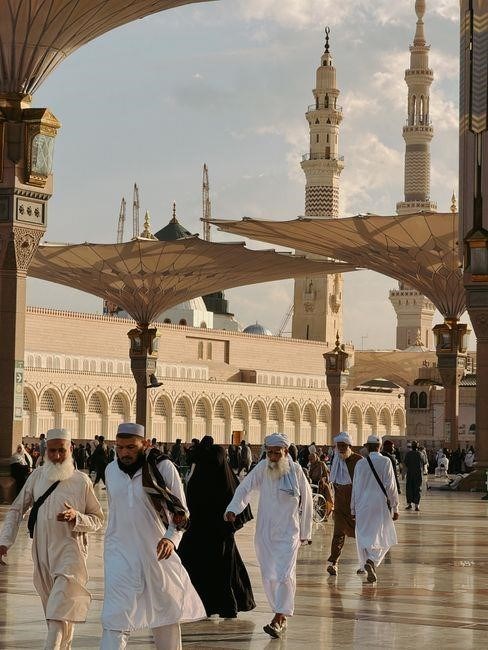
While the Arabic talbiyah is preferred‚ pilgrims may recite it in their native language if meaning remains intact. Some scholars advise repeating the talbiyah after each step to reaffirm commitment. Saying “Labbayka” repeatedly reminds the pilgrim that life is devoted to Allah during the journey‚ encouraging mindfulness during the pilgrimage‚ fostering a deeper spiritual experience peace now.
Keep the intention clear whenever the talbiyah is recited. Repeating “Labbayka” reinforces commitment and helps navigate pilgrimage challenges with patience and gratitude…!
Proper Wearing of Ihram Garments
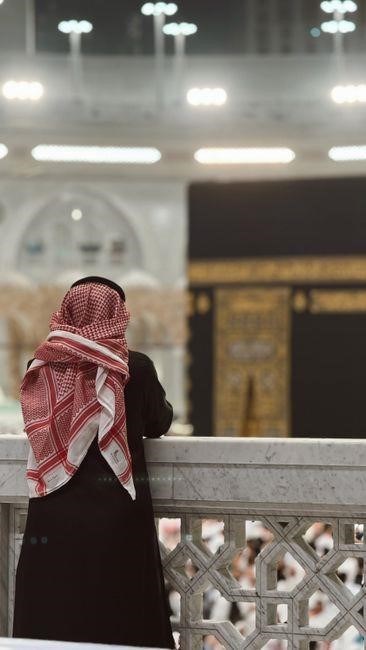
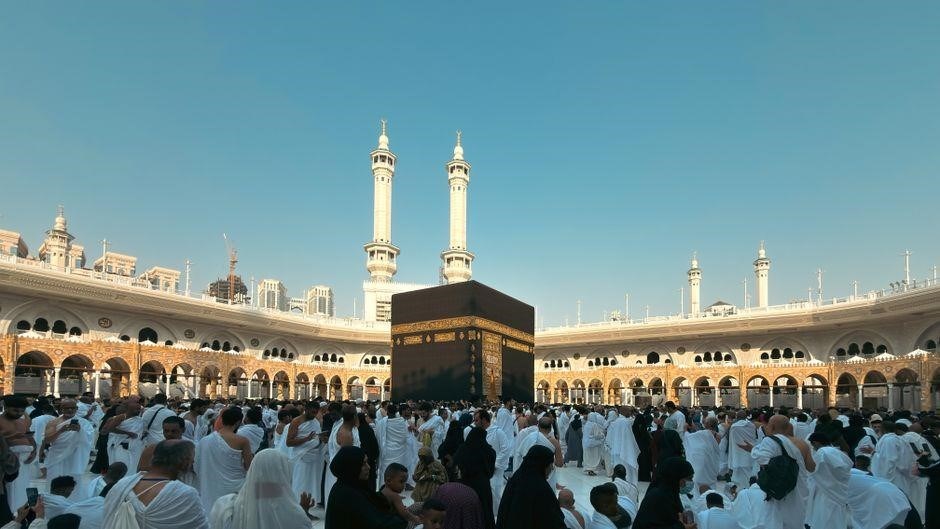
Before entering the state of Ihram‚ a pilgrim must perform a full ablution or ghusl‚ then carefully don the white‚ unstitched garments. For men‚ the upper garment (ihram) is a simple white cloth wrapped around the waist‚ covering the body from the navel to the knees. The lower garment (kuffah) is a rectangular piece of cloth tied around the waist‚ covering the legs up to the ankles. The cloth should be smooth‚ clean‚ and free of seams or embellishments‚ as any stitching is considered a sign of worldly adornment and is prohibited. Women wear a simple‚ modest dress that covers the entire body except the face and hands‚ ensuring it is plain and unadorned. The dress must be loose‚ not tight‚ and should not reveal the shape of the body. The clothing should be white or any color that is not bright or patterned. The garments must be worn without any adornments such as jewelry‚ perfume‚ or any other ornamentation. It is recommended that the pilgrim recite the talbiyah after donning the garments to affirm the state of Ihram. The garments should remain unchanged throughout the pilgrimage‚ except for the halq or taqsir at the end. The pilgrim must avoid touching the garments with the hands‚ especially the lower garment‚ as this would be considered a prohibited action. Pilgrims are advised to keep the garments clean‚ changing them if they become soiled‚ but only after completing the required rituals. The simplicity of the attire reflects the equality of all worshippers before Allah‚ emphasizing that no one is distinguished by wealth or status during the pilgrimage and humility and devotion!!!
Prohibited Actions While in Ihram
While in the state of Ihram‚ a pilgrim must observe strict prohibitions that preserve the sanctity of the pilgrimage. The most fundamental rule is to refrain from cutting hair or nails‚ as these acts symbolize worldly grooming. Any form of shaving‚ trimming‚ or manicure is forbidden. The use of perfume or scented oils is also prohibited‚ except for the very brief moment before donning the Ihram garments‚ when a light fragrance may be applied to the body and hair. The pilgrim must avoid any form of sexual activity‚ including intercourse‚ kissing‚ or any intimate contact‚ as these are considered acts of disobedience. Additionally‚ the pilgrim must not engage in any form of violence or aggression; even a minor quarrel or argument is disallowed. The use of any weapon‚ even a harmless object‚ is forbidden. The pilgrim must also avoid cutting or damaging the Ihram garments‚ and must not touch the lower garment with the hands. The pilgrim must not use any form of artificial hair dye or color‚ nor should they wear any jewelry or adornments. The pilgrim must also avoid any form of excessive or extravagant behavior‚ such as excessive drinking or eating‚ or any form of public display of wealth. The pilgrim must refrain from any form of gossip or slander‚ and must keep the mind focused on worship. Finally‚ the pilgrim must not leave the pilgrimage area or the designated route without a valid reason‚ as this would constitute a violation of the sanctity of the pilgrimage. These prohibitions ensure that the pilgrim remains in a state of humility‚ devotion‚ and obedience to Allah’s commands‚ and that the pilgrimage is a true act of worship.
In addition‚ the pilgrim must not use any sharp or cutting instruments‚ such as knives or scissors‚ while in Ihram‚ as these tools are associated with worldly grooming. The consumption of alcohol‚ tobacco‚ or any intoxicating substance is strictly forbidden. The pilgrim should refrain from using any form of jewelry‚ including rings‚ bracelets‚ or necklaces‚ and must not apply any artificial dyes or colorants to the hair or skin. The pilgrim should also avoid any form of excessive speech‚ such as boasting or bragging‚ and must keep the focus on humility and remembrance of Allah. By adhering to these prohibitions‚ the pilgrim preserves the purity of the pilgrimage and demonstrates complete submission to divine guidance. All rules.!!!
Transition to Regular Clothing (Halq/Taqsir)
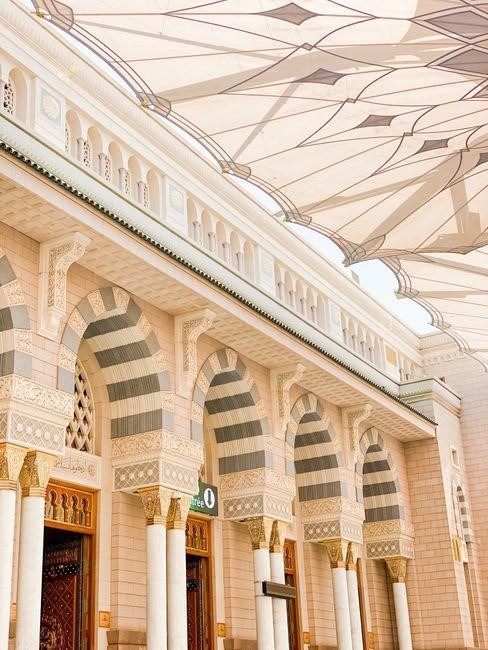
After completing the rites of Tawaf and Sa’i‚ the pilgrim must perform the final act of removing the state of Ihram. This transition‚ known as Halq (shaving the head) or Taqsir (trimming the hair)‚ restores the pilgrim to ordinary attire and signifies the end of the sacred journey. The procedure begins with a sincere intention to return to normal life‚ followed by a thorough cleansing of the body. The pilgrim may choose either Halq or Taqsir‚ depending on personal preference and the availability of facilities. Halq involves shaving the entire head‚ while Taqsir requires trimming the hair to a length that does not exceed a fingertip. The act should be performed with a clean razor or scissors‚ ensuring that no part of the Ihram garment remains on the body. After the hair is removed‚ the pilgrim should wash the face and hands‚ then dress in regular clothing. It is customary to perform a final prayer (Salat al‑Istiftah) before leaving the holy sites‚ expressing gratitude for the experience and seeking forgiveness for any shortcomings. The transition must be carried out with humility‚ as it marks the conclusion of the pilgrim’s spiritual journey. Pilgrims are advised to avoid any form of disrespect or haste during this process‚ as the act of Halq/Taqsir is a solemn reminder of the temporary nature of worldly status and the enduring significance of devotion. The completion of this step allows the pilgrim to return home with a renewed sense of purpose and a deeper appreciation for the sanctity of the pilgrimage. May your journey be blessed and peace.