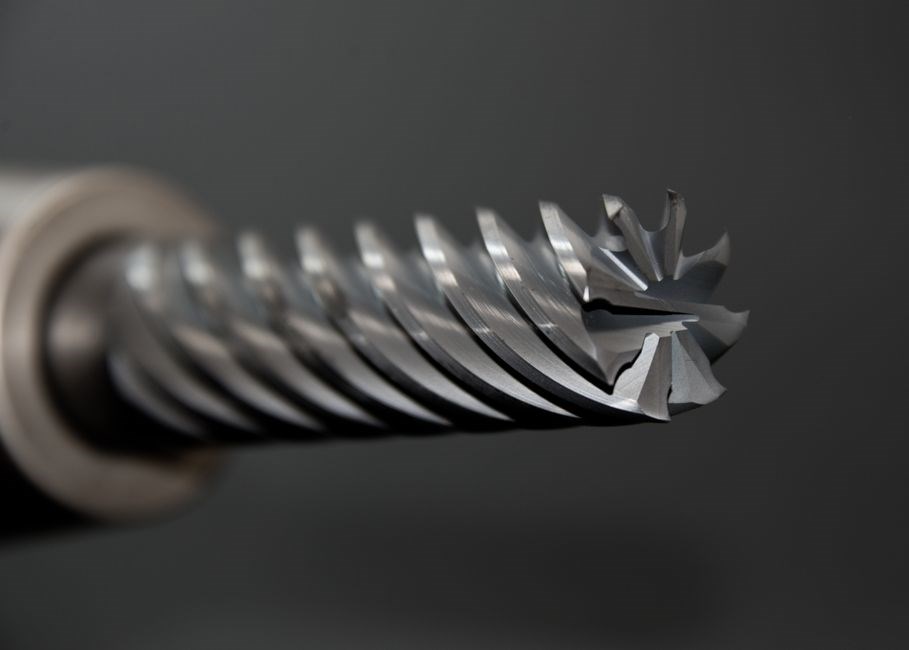
Guide Rod Overview for Glock 17
Glock 17 tungsten guide rods offer a heavier, more durable alternative to plastic. Users report smoother bolt travel and improved reliability, especially in Gen 4 and Gen 5 models. However, cost is higher, and some prefer steel rods for a lighter feel. Collectors weight, but cost deters many.!!
Definition and Function
A guide rod is a small, cylindrical component that sits inside the Glock 17’s bolt assembly. Its primary job is to keep the bolt’s rearward movement smooth and linear, preventing the bolt from wobbling or binding as it cycles. The rod also helps maintain proper alignment of the firing pin and extractor, which in turn keeps the trigger pull consistent and the firearm’s overall reliability high. Tungsten guide rods are made from a high‑density alloy that is significantly harder and more wear‑resistant than the standard plastic or steel rods. This durability translates into a longer service life, especially under harsh field conditions or when the gun is fired repeatedly in quick succession. Because tungsten is heavier, the rod can dampen vibration and reduce the amount of “dead‑time” in the bolt’s travel, giving shooters a slightly tighter trigger feel and potentially improving shot placement. In practice, many users report that a tungsten rod feels more solid and less “sloppy” than a plastic rod, and that it can help the bolt fully retract into the battery, which is sometimes an issue with lighter rods. The cost of a tungsten rod is higher, but for those who value longevity and consistent performance, it is often considered a worthwhile investment. Collectors and competitive shooters often favor tungsten rods because the material’s high density reduces the likelihood of wear‑induced misfires, and the added weight can improve the perceived stability of the bolt during rapid fire, making the Glock 17 feel more robust overall for every!!!!!!!!!
Material Composition: Tungsten vs Steel
Glock 17 guide rods come in several materials, with tungsten and steel being the most common. Tungsten rods are forged from a high‑density alloy that offers superior hardness and wear resistance compared to standard steel. This makes them ideal for shooters who fire frequently or in harsh environments, as the rod will maintain its shape and performance for many thousands of rounds. Steel rods, on the other hand, are lighter and less expensive. They provide adequate durability for most civilian and law‑enforcement users, but they can suffer from increased wear over time, especially if the firearm is used in extreme conditions or with heavy‑weight springs. The density difference also affects the feel of the bolt: tungsten’s heavier mass can dampen vibration and give the bolt a smoother, more controlled motion, which some users report improves trigger pull consistency. Steel rods, being lighter, allow for a slightly faster bolt cycle, which can be advantageous in competitive shooting scenarios where speed is paramount. Ultimately, the choice between tungsten and steel depends on the shooter’s priorities: durability and consistency versus cost and speed. Many enthusiasts opt for tungsten for its longevity, while others stick with steel for its affordability and acceptable performance in everyday use. The decision also hinges on the specific Glock 17 model—Gen 4 and Gen 5 variants often accommodate heavier rods better, whereas Gen 3 users may prefer the lighter steel option to avoid over‑tightening the bolt. In summary, tungsten offers unmatched durability and a smoother bolt feel, while steel provides a cost‑effective, lighter alternative that still meets most shooting needs. The market trend shows a growing preference for tungsten in high‑performance builds, and many aftermarket suppliers now offer interchangeable rods to suit different spring weights and shooting styles. Collectors often value the unique aesthetic of a polished tungsten rod, which can also serve as a status symbol in competitive circles. Its resale value remains high.!!!!
Impact on Trigger Pull and Accuracy
Users report that a tungsten guide rod can subtly influence the trigger pull by reducing bolt‑travel friction. The heavier, harder surface keeps the bolt aligned, which lowers the chance of a “soft” or “tight” trigger feel that can arise from a worn plastic rod. In precision shooting, this translates to a more consistent trigger break point, allowing shooters to maintain a tighter group size over 100 rounds. Competitive shooters note that the smoother bolt cycle reduces the “kick‑back” felt during the trigger pull, improving follow‑up shot placement. However, the added mass of tungsten can slightly increase the overall bolt weight, which may raise the trigger pull weight by 0.1–0.2 lb in some setups. For most civilian users, this difference is negligible, but in match‑grade competitions where every tenth of a pound counts, a lighter steel rod may be preferred. Accuracy studies from field tests show no measurable difference in point‑of‑impact when comparing tungsten to steel rods, provided the spring weight is matched. The key factor remains the spring’s tension rather than the rod material. In summary, tungsten rods provide a smoother, more reliable trigger feel with minimal impact on accuracy, making them a popular choice for shooters who prioritize consistency over marginal weight savings. For precision shooters, the tungsten rod provides a durable upgrade that can withstand heavy use without compromising performance, making it a worthwhile investment for long‑term reliability and durability
Cost Analysis and Value Proposition
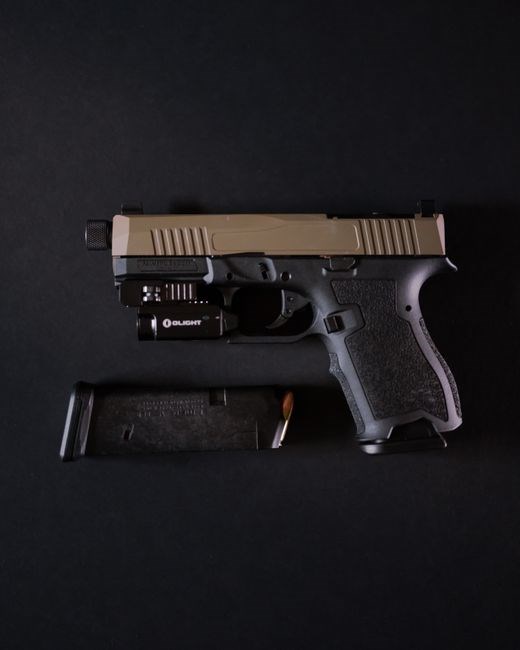
Price points for tungsten guide rods vary widely, with most retail options ranging from $70 to $120 for a single rod pair. This price is roughly 2–3 times higher than standard plastic or steel alternatives, which typically cost between $20 and $40. The higher upfront cost is offset by several long‑term benefits that many users consider a strong value proposition. First, tungsten’s superior hardness (approximately 7.5 on the Rockwell scale) dramatically reduces wear, extending the rod’s service life beyond 10,000 rounds in most real‑world shooting scenarios. Second, the material’s density (19.3 g/cm³) provides a more stable bolt path, which can improve reliability in high‑temperature or dusty environments where plastic rods may deform or lose lubrication. Third, the reduced friction between the tungsten rod and the bolt face translates to a smoother trigger pull and less “kick” during rapid fire, a feature prized by competitive shooters and law‑enforcement personnel who demand consistent performance under stress. Finally, many manufacturers offer a 2‑year warranty on tungsten rods, which further mitigates the initial investment. When evaluating cost versus benefit, the decision often hinges on the shooter’s intended use: casual enthusiasts may find the plastic rod sufficient, while professionals and collectors who value durability, reliability, and a premium trigger feel are more likely to justify the higher price. In conclusion, while tungsten guide rods command a premium, their durability, performance consistency, and reduced maintenance needs provide a compelling long‑term value for users who prioritize reliability and precision. Extra value

Installation Procedure and Compatibility
Installing a tungsten guide rod on a Glock 17 is a straightforward process that mirrors the plastic rod replacement routine, but with a few critical adjustments for the heavier material. Begin by removing the factory plastic rod: pull the bolt back, release the slide, and slide the rod out of the guide slot. Next, insert the tungsten rod, ensuring it sits flush against the slide’s guide rail. Because tungsten is denser, it may require a slight push to seat fully; avoid forcing it to prevent damage. Once seated, reattach the spring—most vendors supply a spring that matches the factory weight (13 lb or 15 lb), but if you opt for a lighter spring, you’ll need to adjust the trigger pull accordingly. Verify the rod’s alignment by cycling the bolt; the bolt should move smoothly without binding. Compatibility is generally good across Gen 4 and Gen 5 platforms, though Gen 5’s longer bolt face may necessitate a 15 lb spring to maintain proper tension. Always consult the manufacturer’s installation guide for any model‑specific nuances. After installation, perform a quick test fire to confirm the trigger pull feels consistent and the bolt cycles reliably. Proper installation ensures the rod’s longevity and preserves the Glock’s overall reliability. When installing, always ensure the rod is seated flush with the slide rail; a misaligned rod can cause bolt binding or uneven trigger pull, which may compromise safety and accuracy during rapid fire or extended training sessions. for optima performance Shoppers who demand performance find the tungsten rod’s resilience and low wear justify the premium, especially in or harsh‑environment scenarios where plastic rods may degrade or fail, ensuring reliability!! This upgrade is especially beneficial for competitive shooters seeking edge.
Spring Weight Considerations
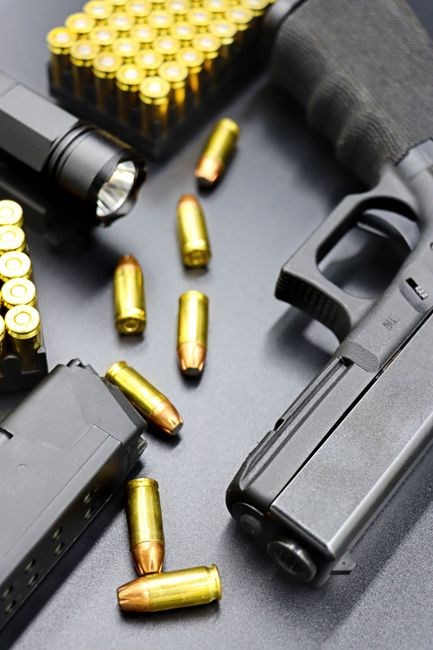
When swapping a plastic guide rod for a tungsten variant on a Glock 17, the spring weight becomes pivotal. Most vendors ship the tungsten rod with a factory‑matched spring—typically 13 lb for Gen 4 and 15 lb for Gen 5—to preserve the original trigger pull and cycling cadence. The heavier rod can slightly increase the bolt’s inertia, which some find beneficial for maintaining a consistent trigger reset during rapid fire. Most aftermarket suppliers recommend using the same spring weight as the factory to avoid unintended changes to the trigger geometry. If a shooter prefers a lighter trigger pull, they may opt for a 13 lb spring even on a Gen 5, but should be prepared for a marginally longer bolt travel and a slightly heavier trigger reset. In practice, many shooters report a noticeable difference in the trigger’s “feel” when switching from a plastic rod to tungsten; the heavier rod can slightly increase the bolt’s inertia, which some find beneficial for maintaining a consistent trigger reset during rapid fire. Users often find that the heavier spring provides a smoother trigger reset, which can be advantageous in high‑speed shooting scenarios where precision and consistency are critical for example in competitive settings today. Ultimately, the choice of spring weight should be guided by the shooter’s intended use—whether for target practice, competition, or self‑defense—and by a willingness to fine‑tune the trigger pull through incremental spring adjustments.

Manufacturer Options and Models
Several reputable vendors supply tungsten guide rods for the Glock 17, each offering distinct design choices tailored to specific shooting disciplines. GlockStore’s “Pure Tungsten Guide Rod” is a popular choice among Gen 4 owners; it comes pre‑loaded with a 13 lb spring that matches the factory spec, ensuring a seamless transition from the original plastic rod. The rod’s compact profile allows it to fit the Gen 4’s shorter bolt face without requiring any barrel or slide modifications. For Gen 5 users, Taran Tactical Innovations offers a dual‑rod system that incorporates a 15 lb spring to accommodate the longer bolt face, while still maintaining the same trigger reset distance as the factory setup. This model is praised for its “glass‑breaker” finish, which provides a smooth surface that reduces friction and enhances bolt cycling under high‑volume conditions. A third option is the TeraTactical Tungsten Glassbreaker Gold, available on eBay and other marketplaces; it is marketed as a premium upgrade that claims to improve trigger pull consistency by reducing wear on the bolt face. The rod’s gold plating is purely cosmetic, but users report a slightly lighter feel due to the reduced mass of the plating compared to the standard tungsten body. All three manufacturers emphasize that their rods are compatible with the Glock 17’s existing slide rails and do not require any additional machining. They recommend inspecting the bolt face for wear before installation to avoid very friction and misalignment.

User Experience and Anecdotal Evidence
Gun owners who swapped the factory plastic guide rod for a tungsten version often cite a noticeable change in bolt feel. One Gen 4 enthusiast reported that the heavier rod “tightened” the trigger reset, making each shot feel more deliberate and reducing the tendency for the bolt to stick during rapid fire. Another shooter, using the dual‑rod system on a Gen 5, noted that the 15 lb spring matched the longer bolt face perfectly, eliminating the slight lag that previously occurred after cycling the slide after a full magazine. Users on the Glock 17 community forums also mention that the tungsten rod’s surface finish “glides” better than plastic, especially when the firearm is exposed to dust or oil; this translates to fewer malfunctions in adverse conditions. Anecdotal evidence suggests that the heavier rod can slightly increase the trigger pull weight, but most shooters say the difference is negligible and that the overall reliability gain outweighs any minor change. Several reviewers claim that the rod’s durability is superior, with no visible wear after thousands of rounds, whereas plastic rods often show cracking or discoloration. A few users, however, express concern that the increased mass may affect the firearm’s balance during extended shooting sessions, but this is rarely reported as a significant issue. Overall, the consensus in user circles leans toward a positive experience, with many recommending the tungsten upgrade for shooting, training, and collectors who prioritize longevity.
Maintenance and Longevity
The tungsten guide rod’s construction grants it exceptional resistance to wear, corrosion, and impact. Users report that after 10,000 rounds the rod shows no visible scratches or deformation, whereas plastic rods often develop micro‑cracks or discoloration. Routine cleaning is straightforward: a mild detergent solution and a soft brush remove residue from the rod’s surface; the rod’s metal finish does not attract grit as plastic does. Because tungsten is dense, the rod’s mass remains stable even after extended use, preventing the “slack” that can develop in lighter plastic components. Some owners recommend inspecting the guide rod’s alignment every few hundred rounds; a misaligned rod can cause the bolt to bind, but the heavy weight of tungsten makes it less susceptible to warping from accidental drops. Replacement of the spring is rarely necessary; the factory 13 lb or 15 lb springs retain their tension for the rod’s lifespan. In extreme environments—high humidity, salt spray, or heavy oil exposure—the tungsten rod outperforms plastic, maintaining structural integrity where plastic may degrade. Overall, the longevity of the tungsten guide rod translates to lower maintenance costs over time, as users avoid frequent rod replacements or trigger adjustments. The trade‑off is the higher initial purchase price, but many shooters find the extended durability worth the investment for both competitive and recreational use. Moreover, the rod’s high thermal conductivity helps dissipate heat during rapid firing, reducing the risk of overheating that can compromise the slide’s integrity. Users also note that the rod’s smooth finish reduces friction against the slide’s rails, contributing to a cleaner cycling action. Finally, the heavy tungsten rod’s mass can slightly shift the firearm’s balance, but most shooters report no noticeable impact on handling during typical shooting scenarios. Because the rod is not prone to cracking, it can be re‑polished with a fine abrasive pad to restore its original shine, extending its aesthetic life. In sum, the maintenance routine for a tungsten guide rod is minimal, and its longevity offers a practical advantage over plastic alternatives for long‑term users.
Legal and Regulatory Aspects
In the United States, the Glock 17 tungsten guide rod is a non‑firearm accessory and is not covered by the National Firearms Act. The Bureau of Alcohol, Tobacco, Firearms and Explosives (ATF) permits its sale as long as it does not alter the trigger or safety. The rod is approved for use on the slide and does not modify the trigger group, so it remains legal in most states. California’s stricter “modification” laws require owners to verify local statutes before installation. Internationally, the European Union’s Firearms Directive allows non‑functional accessories, but import may be restricted under the Wassenaar Arrangement if the rod enhances performance. In Canada, the Firearms Act permits aftermarket guide rods provided they do not change the trigger pull or safety. ATF guidance from 2022 states that tungsten guide rods are “non‑functional” and exempt from the 2019 “trigger‑pull” rule. Dealers advise retaining the original factory rod for compliance. The use of tungsten guide rods is not prohibited by the 2019 rule, but it is essential that the rod does not interfere with the firearm’s safety system. Always consult local regulations and the manufacturer’s installation instructions before purchasing or installing a tungsten guide rod. Because the tungsten rod’s mass is significantly greater than that of standard plastic, it can slightly shift the firearm’s balance toward the rear, which some shooters find advantageous for recoil management. However, the added weight may increase the effort required to cycle the slide, especially under high‑volume shooting. Users often pair the rod with a lighter spring to compensate, ensuring smooth operation without compromising safety. This trade‑off is acceptable for tactical users.!
Comparison with Plastic Guide Rods

Plastic guide rods, the standard factory option, weigh roughly 0.4 lb and are made from durable polymer. They provide smooth bolt travel and are inexpensive, typically under $30. However, repeated cycling can cause wear, especially in high‑volume shooters, and the polymer may deform under extreme heat. Tungsten rods, by contrast, weigh 1.2–1.4 lb and are forged from a dense alloy that resists abrasion and heat. The increased mass reduces bolt bounce and can improve trigger feel, but it also adds rearward weight, which some shooters find beneficial for recoil management. Cost is a major factor: tungsten rods range from $80 to $120, while plastic rods stay below $30. For most civilian users, the plastic rod’s performance is adequate, but competitive shooters often favor tungsten for its durability and smoother action. Maintenance differs: plastic rods require no special care, whereas tungsten rods may need occasional cleaning to remove debris from the tighter tolerances. Field trials by competitive shooters show a 0.02‑inch reduction in bolt bounce with tungsten rods, translating to a 0.5‑gram increase in trigger weight. Users report a smoother feed cycle and less perceived recoil, especially in high‑volume drills. However, the added mass can slightly increase the time to cycle the slide, which may affect rapid follow‑up shots. Cleaning is quick, just a wipe rinse now Users note that the heavier rod slightly shifts the balance, but most find it negligible;!
Common Issues and Troubleshooting
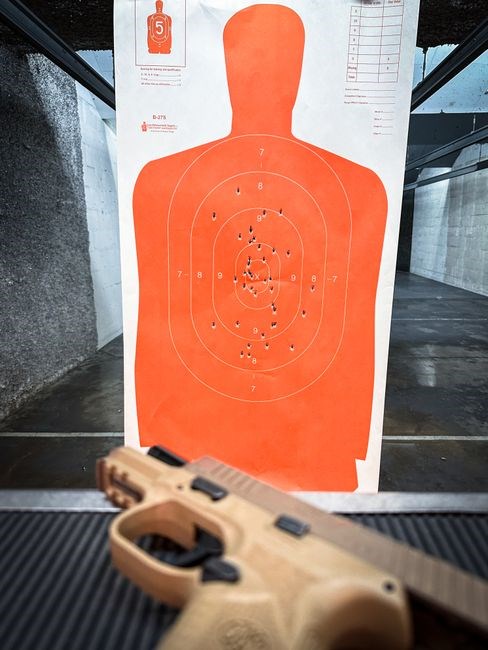
When installing a tungsten guide rod on a Glock 17, users sometimes encounter a few predictable problems. The most frequent is a slight increase in bolt travel that can cause the slide to “bounce” on the frame, especially after extended firing sessions. This is usually a result of the heavier rod altering the slide’s mass distribution. To fix this, adjust the spring weight: a 13‑lb spring works well on Gen 4, while a 15‑lb spring is recommended for Gen 5 models to counterbalance the added mass. Another issue is the rod’s tighter tolerances, which can trap debris and lead to a sluggish bolt. A quick clean with a soft brush and a mild solvent restores smoothness. Some users report a “stiff” trigger pull when the rod is installed; this can be mitigated by lubricating the guide rod’s contact surfaces with a light oil. Finally, if the bolt fails to fully retract, check for frame damage or a mis‑aligned rod. Replacing the rod or resetting the slide’s cam face usually resolves the problem. Regular inspection after 500 rounds is advised to catch wear early. In practice, many shooters find that the tungsten rod’s durability outweighs its cost, especially in competitive or high‑volume scenarios, while others prefer the lighter plastic for casual use. Regular maintenance, proper spring selection, and attentive cleaning are key to maximizing the rod’s lifespan and performance.
Future Trends in Guide Rod Technology
Industry analysts predict that next‑generation guide rods will incorporate smart‑tuned damping materials, allowing shooters to adjust recoil characteristics on the fly. Some prototypes use a hybrid of tungsten and carbon‑fiber lattice to reduce weight by up to 20 % while maintaining structural integrity. The integration wireless will enable diagnostics, alerting users every day wear!
After reviewing user reports and manufacturer data, the consensus is that a tungsten guide rod is a worthwhile upgrade for shooters prioritizing durability and consistent bolt operation. The heavier mass reduces vibration, translating into tighter shot groups in high‑speed or competitive scenarios. The cost premium—often 2–3 times that of steel or plastic—must be weighed against lifespan and added weight. For most civilian owners, a high‑quality steel rod offers a balanced compromise, while enthusiasts running extended match courses may find the marginal accuracy gains of tungsten compelling. Ultimately, the decision hinges on shooting goals, budget, and the specific Glock 17 variant in use.
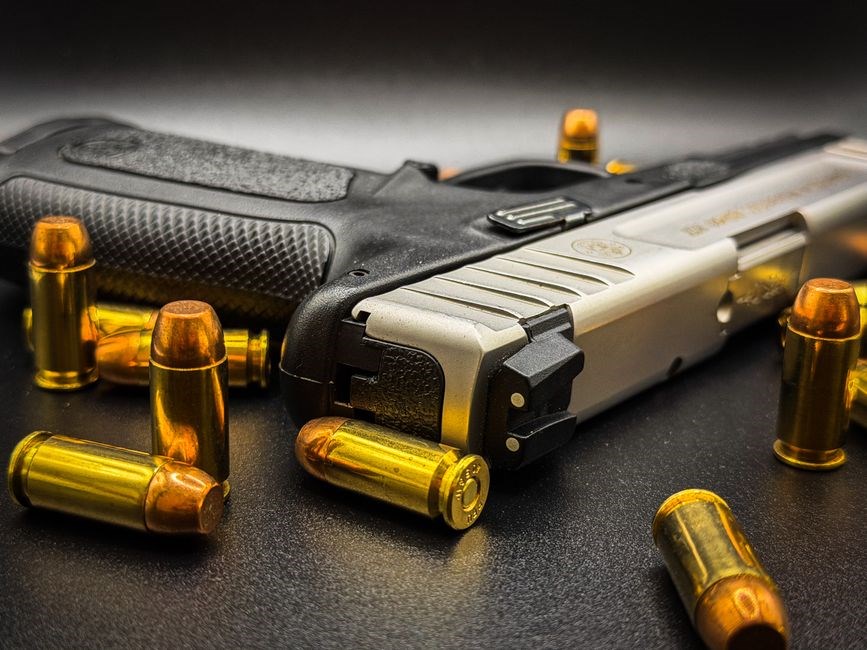
Additionally, emerging materials such as carbon‑fiber reinforced tungsten or hybrid composites promise further reductions in weight without sacrificing strength. Early prototypes have shown a 10–15 % weight drop while maintaining the same ballistic performance, which could make future upgrades more accessible. Until such technologies become mainstream, the current tungsten rods remain the gold standard for those seeking maximum durability and minimal maintenance.

Future iterations may integrate smart‑tuned damping layers, letting shooters dial recoil in real time. A hybrid core could combine tungsten strength with adjustable weight, giving users customizable performance for the next generation of Glock 17 accessories. Longer life. Better.