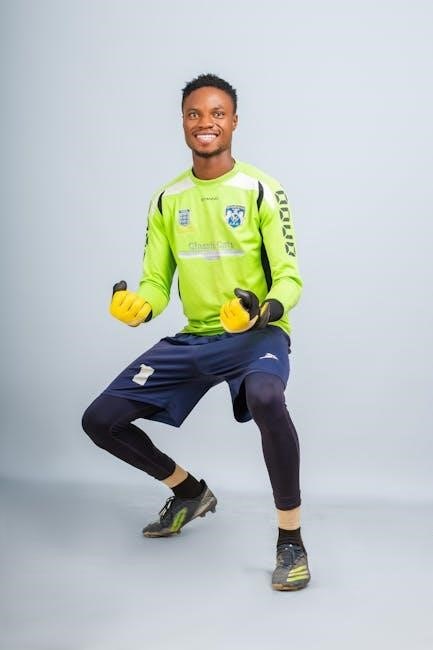
Soccer Glove Size Guide: Finding the Perfect Fit
Finding the ideal goalkeeper gloves requires understanding sizing nuances․ Proper fit enhances performance, offering optimal ball control and protection․
This guide will help you navigate the process!
Selecting the correct goalkeeper glove size is crucial for peak performance and comfort․ Unlike standard gloves, goalie gloves require a precise fit, considering not just finger length but also palm width and the glove’s cut․ A well-fitted glove maximizes ball control, enhances responsiveness, and minimizes the risk of injury․
Determining your size involves measuring your hand accurately and referencing brand-specific size charts․ Remember that sizing can vary between manufacturers, so a universal size isn’t always reliable․ Understanding the interplay between hand measurements, glove cut, and palm material is key to finding the perfect fit for your needs․
Why Proper Glove Size Matters
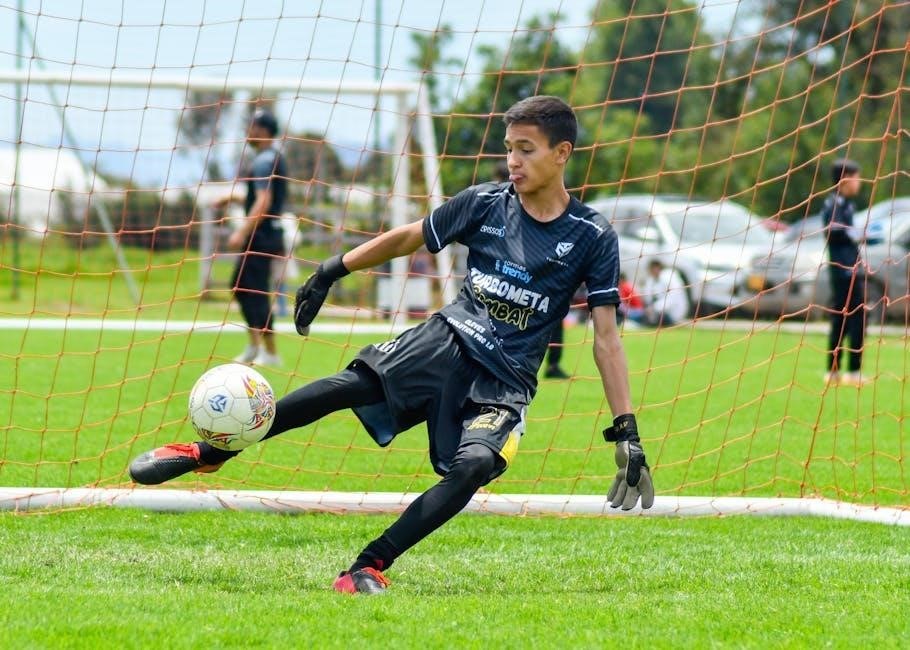
Incorrectly sized gloves significantly impact a goalkeeper’s ability to perform․ Gloves that are too large reduce tactile feel, hindering precise catches and increasing the chance of misjudging the ball’s trajectory․ Conversely, gloves that are too small restrict movement, causing discomfort and potentially leading to hand fatigue during matches․
A proper fit ensures optimal protection against impact, reducing the risk of finger and wrist injuries․ It also enhances confidence, allowing goalkeepers to react quickly and decisively․ The right size provides an optimum ratio of all components for the best fit, improving overall control and performance․
Measuring Your Hand for Goalkeeper Gloves
Accurate hand measurement is crucial for selecting the correct glove size․ Begin by extending your arm and ensuring your hand is relaxed and flat․ You’ll need to measure both hand length and width for the most precise fit․ The best way to determine goalie glove sizing is to measure the length of the goalkeeper’s hand, from the tip of the middle finger to the end of the palm․
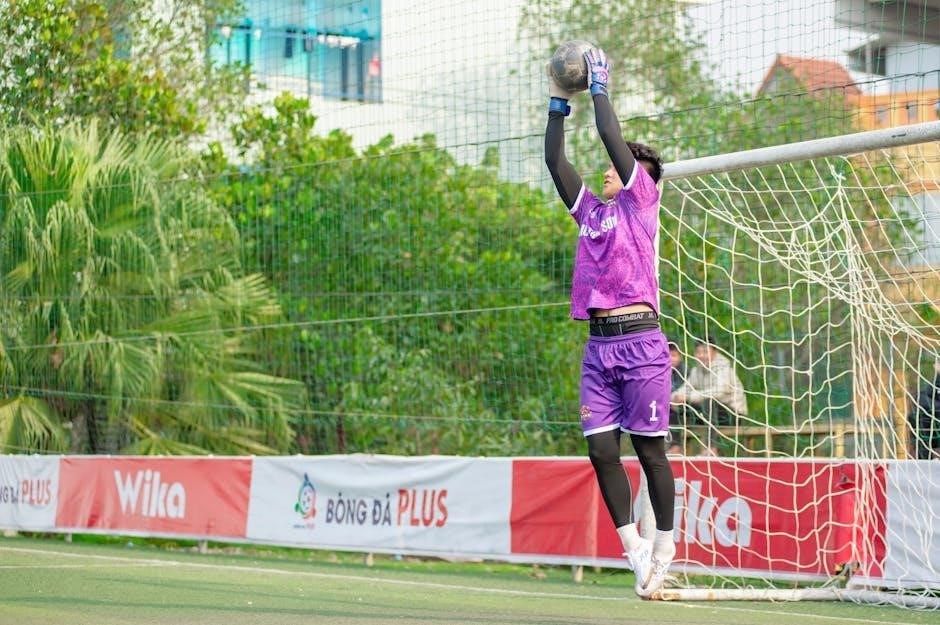
Don’t guess! Precise measurements, combined with brand-specific size charts, will minimize the risk of ordering ill-fitting gloves․ Remember to measure both hands, as slight variations are common․
Tools Needed for Accurate Measurement
Gathering the right tools ensures precise hand measurements for optimal glove sizing․ The primary tool required is a flexible measuring tape – fabric or plastic works best․ Avoid metal tapes, as they lack the necessary flexibility to conform to your hand’s shape․ A pen and paper are also essential for recording your measurements accurately․
Having a helper can be beneficial, especially when measuring hand width․ Ensure the tape measure is held snugly, but not tightly, against your skin․ Accurate tools and careful technique are key to finding your perfect fit!
Measuring Hand Length
Accurately measuring hand length is crucial for determining your goalkeeper glove size․ Begin by extending your arm fully and keeping your palm flat․ Place the measuring tape at the very tip of your middle finger․ Extend the tape down to the crease of your wrist, where your hand meets your arm․
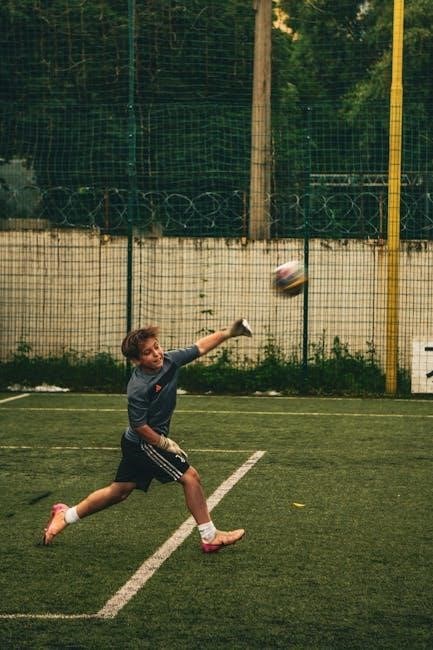
Record this measurement in centimeters or inches – consistency is key! Repeat the process a couple of times to ensure accuracy․ This length, combined with hand width, will guide you to the correct size on a glove size chart․
Goalkeeper Glove Size Charts
Utilizing goalkeeper glove size charts is essential for a precise fit․ These charts correlate hand measurements with corresponding glove sizes․ Remember that sizing can vary between brands, so always consult the specific chart for the manufacturer you choose․
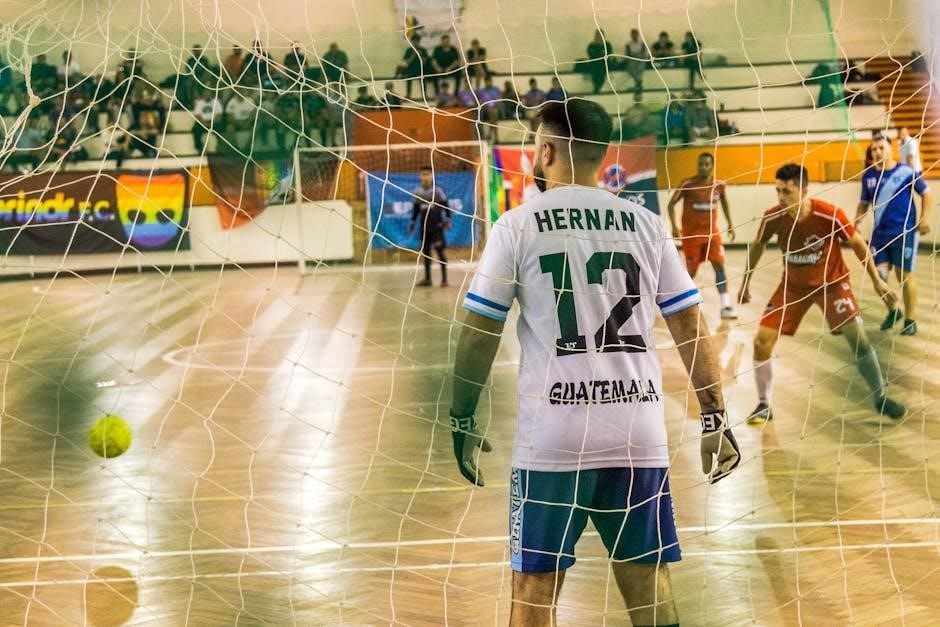
Generally, adult sizes range from 7 to 11, while youth sizes typically start at 3 and go up to 7․ Charts often display measurements in both centimeters and inches for convenience․ Comparing your hand length to the chart will provide a solid starting point for selecting the right size․
Adult Goalkeeper Glove Size Chart
Here’s a general guideline for adult goalkeeper glove sizing, though brand variations exist․ Size 7 typically fits hand lengths around 18-19cm (7-7․5 inches)․ Size 8 suits 19-20cm (7․5-8 inches), while size 9 fits 20-21cm (8-8․3 inches)․ For larger hands, size 10 accommodates 21-22cm (8․3-8․7 inches), and size 11 is for 22cm+ (8․7+ inches)․
Remember to check the specific brand’s chart, as these are approximate values․ Some manufacturers may run slightly smaller or larger․ Accurate hand measurement is crucial for optimal performance and comfort․ Consider hand width alongside length for the best possible fit․
Youth Goalkeeper Glove Size Chart
Youth glove sizing correlates with age, height, and hand measurements․ Size 3 generally fits ages 5-8 and hand lengths under 15cm (under 6 inches)․ Size 4 suits ages 7-9 with hand lengths between 15-17cm (6-6․7 inches)․ Size 5 is ideal for ages 9-10, fitting hands around 17-19cm (6․7-7․5 inches)․
For older youth players, size 6 typically fits ages 11-12 with hand lengths of 19-20cm (7․5-8 inches)․ Always prioritize hand measurement over age or height, as individual sizes vary․ Brand-specific charts are essential for accurate sizing․
Using Age and Height as a Guide
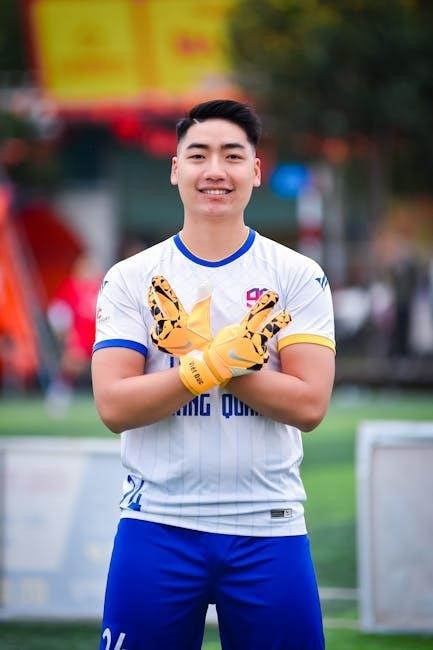
Age and height can offer a preliminary glove size estimate, but aren’t definitive․ Generally, younger goalkeepers (5-8 years) may start with size 3, while those aged 7-9 might need a size 4․ For 9-10 year olds, size 5 is often appropriate․ Height plays a role; goalkeepers under 40 inches might fit size 3, while those between 40-45 inches could use size 4․
However, these are broad guidelines․ Individual hand size is crucial․ Always confirm with precise hand measurements and brand-specific charts for the best fit․ Relying solely on age or height can lead to improper sizing․
Age-Based Sizing Recommendations
Age provides a starting point for glove size selection, particularly for youth goalkeepers․ Children aged 5-8 years often require a size 3 glove, offering a comfortable and secure fit for smaller hands․ Moving to ages 7-9, a size 4 glove becomes more common, accommodating growing hands․ For goalkeepers between 9-10 years old, size 5 is frequently recommended․

Remember, these are averages․ Variations in hand size within age groups are significant․ Always prioritize hand measurements and brand-specific charts to refine the initial age-based recommendation․ Don’t solely rely on age!
Height-Based Sizing Recommendations
Height can offer another general guideline, especially when combined with age․ Goalkeepers under 40 inches tall typically suit a size 3 glove, providing a proportionate fit․ Those between 40-45 inches often find size 4 gloves ideal, allowing for better hand coverage․ For taller youth goalkeepers, measuring 45 inches or more, a size 5 glove is frequently a good starting point․
However, height alone isn’t definitive․ Body proportions vary, so always cross-reference with hand measurements and brand-specific sizing charts․ Height should be considered alongside age and, crucially, actual hand dimensions for the most accurate fit․
Understanding Glove Size Variations by Brand
Goalkeeper glove sizing isn’t standardized across all brands․ Each manufacturer may have slightly different sizing charts and fits․ What’s a size 8 in one brand could feel like a 7 or 9 in another․ Therefore, relying solely on a general size chart is risky․
Always consult the brand-specific size chart before purchasing․ Some brands prioritize a snug fit, while others offer a more relaxed feel․ Consistency can vary even within a brand’s different glove models․ Comparing your hand measurements to the specific chart is crucial for avoiding sizing errors․
Brand-Specific Size Charts
Accessing brand-specific size charts is essential for accurate glove selection․ Most reputable glove manufacturers provide detailed charts on their websites, often including both hand length and width measurements․ These charts frequently differentiate between adult and youth sizes, ensuring a precise fit for all age groups․
Look for charts that correlate hand measurements in both centimeters and inches for convenience․ Some brands even offer printable measurement guides․ Utilizing these resources minimizes the risk of ordering the wrong size and streamlines the fitting process, ultimately enhancing your goalkeeping performance․
Consistency Across Brands
Glove sizing isn’t standardized across all brands, presenting a challenge for goalkeepers․ A size 8 in one brand might not equate to the same fit in another․ Variations stem from differing palm constructions, cut types, and material thicknesses․ Therefore, relying solely on your usual size is risky․
Always consult the specific size chart for the brand you’re considering․ Comparing your hand measurements against each brand’s chart is crucial․ Some brands run larger or smaller than others, so diligent checking is vital for a secure and comfortable fit․ Prioritize accurate measurement over assumed sizing!
The Importance of Hand Width in Glove Sizing
While hand length is a primary factor, hand width significantly impacts glove fit and comfort․ A glove that’s the correct length but too narrow can restrict movement and cause discomfort․ Conversely, a glove too wide offers reduced control and a less secure feel․
Measuring hand width accurately is essential․ Use a measuring tape to determine the widest part of your hand, from thumb to pinky․ Compare this measurement to the brand’s specific size chart, as width considerations vary․ Ignoring hand width can lead to an ill-fitting glove, hindering performance!
Measuring Hand Width
Accurately measuring hand width is crucial for selecting the right goalkeeper gloves․ Begin by placing a flexible measuring tape around the broadest part of your open hand․ Ensure the tape is held firmly but not tightly, allowing for natural hand expansion․
Extend your hand flat and measure from the outside of your pinky finger to the outside of your thumb․ Record this measurement in centimeters or inches, depending on the glove brand’s sizing chart․ Repeat the measurement a couple of times to ensure accuracy․ This width measurement, combined with hand length, will guide you to the perfect fit!
Glove Cut and Its Impact on Fit
The glove cut significantly influences both flexibility and the feel of the ball․ Different cuts cater to varying preferences and playing styles․ Roll Finger cuts offer maximum latex contact, providing exceptional grip but potentially restricting movement․
Flat Palm cuts provide a broader contact area and a more traditional feel․ Negative cuts, where the palm is internally stitched, offer a snug, secure fit and enhanced dexterity․ Understanding these differences is vital; a negative cut might require a slightly tighter fit than a roll finger glove for optimal performance․
Different Glove Cut Types (Roll Finger, Flat Palm, Negative Cut)
Roll Finger gloves wrap the latex around the fingers, maximizing contact area for superior grip and cushioning․ Flat Palm gloves feature a traditional flat palm construction, offering a comfortable and versatile fit suitable for various playing styles․
Negative Cut gloves are internally stitched, creating a tighter, more anatomical fit that enhances dexterity and ball control․ Each cut impacts how the glove feels and performs; Roll Finger prioritizes protection, Flat Palm offers balance, and Negative Cut emphasizes feel․ Choosing the right cut depends on individual preference and goalkeeping technique․
How Cut Affects Sizing
Glove cut significantly influences sizing considerations․ Roll Finger gloves, with their exterior seams, often require a slightly smaller size for a secure fit, as the extra latex adds bulk․ Flat Palm gloves generally adhere to standard sizing charts, offering a more predictable fit․
Negative Cut gloves, being tighter, may benefit from sizing up, especially for those with wider hands, to avoid constriction․ Always consult the brand’s specific size chart, as variations exist․ Considering the cut ensures optimal comfort and performance, preventing slippage or restricted movement during gameplay․
Considering Palm Material and Thickness
Palm material and thickness impact glove sizing․ Thicker palms, common in professional-grade gloves, can create a snugger fit, potentially requiring a half-size increase․ Latex thickness varies; thicker latex offers superior cushioning but reduces flexibility, influencing the desired fit․
Different latex blends also affect sizing․ Softer latexes conform to the hand more readily, allowing for a closer fit․ Always check brand recommendations, as they account for material properties․ Prioritizing comfort and dexterity is crucial; a well-fitted glove enhances grip and control․
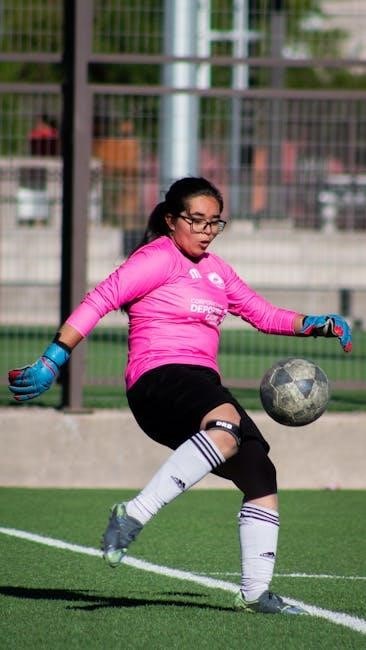
Palm Material and Sizing Adjustments
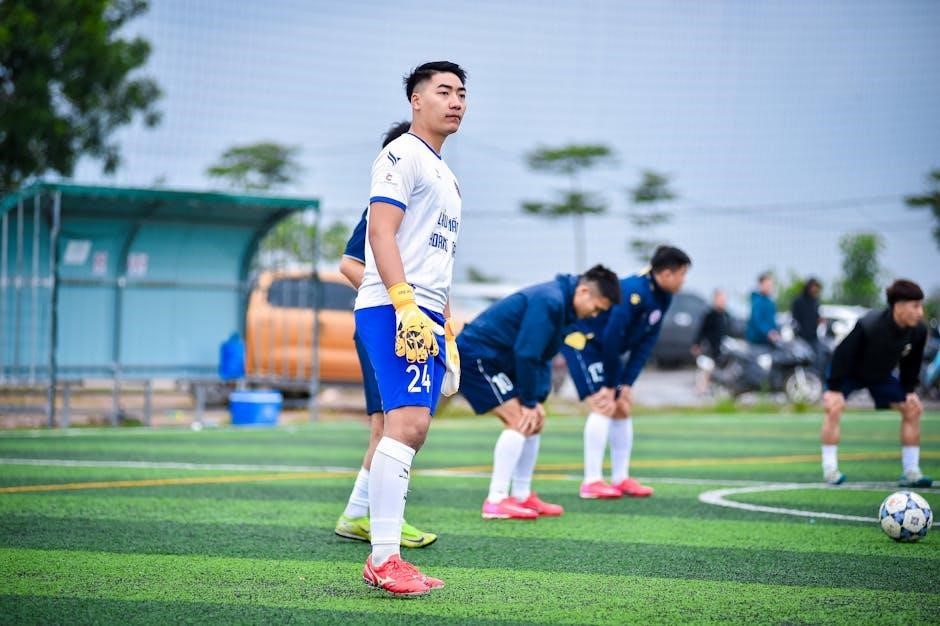
Latex palm variations necessitate sizing adjustments․ German latex, known for its exceptional grip, often requires a snug fit, potentially needing a half-size down․ Conversely, softer Thai latex may benefit from a slightly larger size to compensate for its increased flexibility and conformability․
Thicker palm cushioning, frequently found in professional gloves, can reduce internal space, suggesting a size increase․ Consider the glove’s intended use; match gloves prioritize grip, while training gloves emphasize durability․ Always consult the manufacturer’s sizing chart for specific material recommendations․

Trying on Gloves: A Practical Guide
Proper glove fitting demands careful assessment․ Begin by ensuring your hand fully enters the glove without excessive force․ The fingertips should sit snugly against the end, without feeling cramped or restricted․ Check for secure wrist closure, preventing slippage during movement․
Simulate game-like actions – punching, catching, and diving – to evaluate comfort and range of motion․ Pay attention to any pressure points or areas of discomfort․ A secure, yet comfortable fit is paramount; avoid gloves that feel too tight or loose․ Prioritize a glove that feels like an extension of your hand!
What to Look for During a Fitting
During a glove fitting, prioritize several key aspects․ First, assess the palm’s contact – it should feel secure and offer excellent grip․ Next, check the backhand for adequate cushioning and protection․ Ensure the wrist strap provides a snug, adjustable fit, preventing unwanted movement․
Evaluate finger mobility; you should maintain a natural range of motion․ Look for any seams or materials causing irritation․ Finally, simulate catching and throwing motions to confirm comfort and control․ A well-fitted glove enhances performance, so don’t compromise on these crucial details!
Ensuring a Secure and Comfortable Fit
Achieving a secure and comfortable fit is paramount for goalkeeping performance․ The glove shouldn’t feel overly tight, restricting circulation, nor should it be loose, compromising control․ A snug fit allows for optimal dexterity and responsiveness․
Pay close attention to the wrist strap – it should provide firm support without causing discomfort․ Ensure the fingers aren’t cramped or excessively loose within the finger saves; Properly fitted gloves minimize distractions, allowing you to focus entirely on the game․ Prioritize comfort to maximize your potential!
Common Sizing Mistakes to Avoid
One frequent error is neglecting to measure your hand accurately․ Relying on estimations based on age or height alone can lead to an ill-fitting glove․ Another mistake is assuming all brands adhere to the same sizing standards; variations exist, necessitating brand-specific charts․
Ignoring hand width is also a common oversight, as length isn’t the sole determinant of fit․ Finally, failing to consider the glove’s cut and palm material can result in discomfort or reduced performance․ Always prioritize precise measurements and brand-specific guidance!
Ignoring Hand Measurements
Skipping hand measurements is a critical error in goalkeeper glove selection․ Assuming a size based on previous experience or what “feels right” often leads to a suboptimal fit․ Accurate measurements – both length and width – are foundational for finding the correct size․
Relying on age or height charts alone is insufficient, as individual hand sizes vary considerably․ Without precise measurements, you risk a glove that’s too tight, restricting movement, or too loose, compromising control․ Prioritize measuring for optimal performance!
Resources for Further Sizing Information
For more detailed guidance, explore brand-specific sizing charts․ Websites like Open Goaaal USA offer valuable insights into their glove dimensions․ Consulting retailer websites often provides access to comprehensive size guides, aiding in accurate selection․
Consider online forums and communities dedicated to goalkeeping; experienced keepers frequently share sizing advice․ YouTube channels featuring glove reviews often demonstrate fitting processes․ Remember, a well-informed decision ensures optimal performance and comfort on the field․