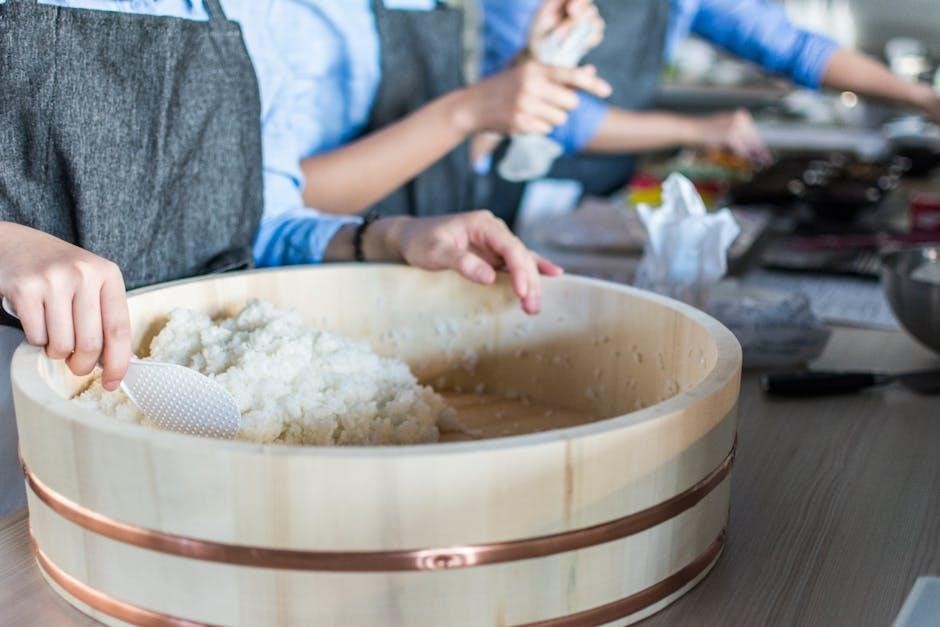
Carolina Gold rice offers a unique culinary experience, steeped in history and flavor․ Mastering its preparation involves a specific method—boiling, rinsing, and oven-finishing—to achieve perfection․
Historical Significance of Carolina Gold
Carolina Gold wasn’t merely a grain; it fueled the economy of the Carolinas during the 18th and 19th centuries․ This long-grain rice became the cornerstone of Charleston’s prosperity, earning the city its wealth and influence․ Sadly, production dwindled after the Civil War, nearly vanishing․
Thankfully, dedicated farmers and chefs revived this heritage grain․ Today, cooking Carolina Gold is an act of culinary preservation, reconnecting us to a vital piece of Southern history and a time when this rice reigned supreme․ Its resurgence celebrates a flavorful past․
Unique Characteristics & Flavor Profile
Carolina Gold rice distinguishes itself with a slender grain and a remarkable ability to absorb flavors․ Unlike many modern varieties, it possesses a delightful nutty aroma and a subtly sweet taste․ Its texture is notably fluffy yet slightly chewy, offering a satisfying mouthfeel․
This heirloom grain cooks up beautifully, holding its shape without becoming sticky․ The unique characteristics stem from its genetic lineage, making it a truly special ingredient for both simple preparations and elaborate dishes․
Preparing to Cook Carolina Gold Rice
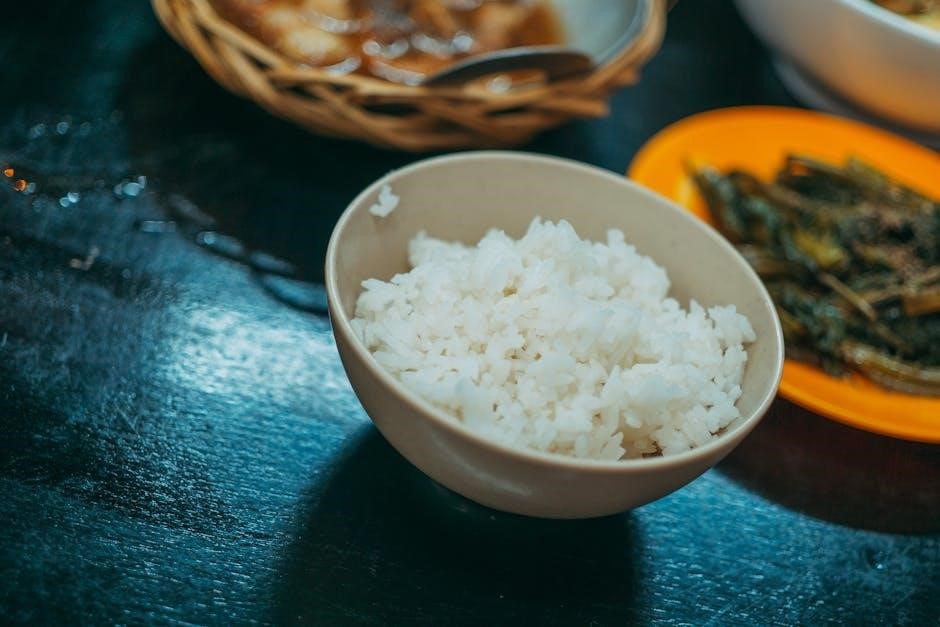
Successful Carolina Gold rice begins with precise preparation: understanding water ratios, selecting the correct pot, and deciding whether or not to rinse the rice․
Understanding Rice-to-Water Ratio
Achieving the ideal texture with Carolina Gold rice hinges on a precise rice-to-water ratio․ Traditionally, a 1-to-6 proportion – one cup of rice to six cups of water – is recommended․ This generous water volume isn’t for absorption, but rather for a gentle initial boil and subsequent rinsing․
The initial boil in ample water helps release excess starch, contributing to the rice’s fluffy, separate grain structure․ Remember, this method differs from absorption techniques used for other rice varieties, where less water is employed․ Maintaining this ratio is crucial for the unique cooking process․
Choosing the Right Pot
Selecting the appropriate cookware is essential for successfully cooking Carolina Gold rice․ A wide, heavy-bottomed pot is ideal, providing even heat distribution and preventing scorching․ Stainless steel or enameled cast iron are excellent choices, as they won’t react with the rice or impart unwanted flavors․
Avoid using non-stick pots, as they can hinder the starch release crucial to the cooking process․ The pot’s size should be ample enough to accommodate the rice and water without overflowing during the initial boil․ Sufficient space ensures proper circulation and even cooking․
Rinsing the Rice: To Rinse or Not to Rinse?
The question of rinsing Carolina Gold rice is debated, but generally, a quick rinse is recommended․ Rinsing removes excess surface starch, contributing to a fluffier, less sticky texture․ However, excessive rinsing can wash away valuable nutrients and flavor․
Gently swirl the rice in a strainer under cold water until the water runs mostly clear – typically 2-3 rinses suffice․ This step prepares the grains for even cooking and prevents clumping during the simmering process, resulting in a superior final product․
Traditional Stovetop Cooking Method
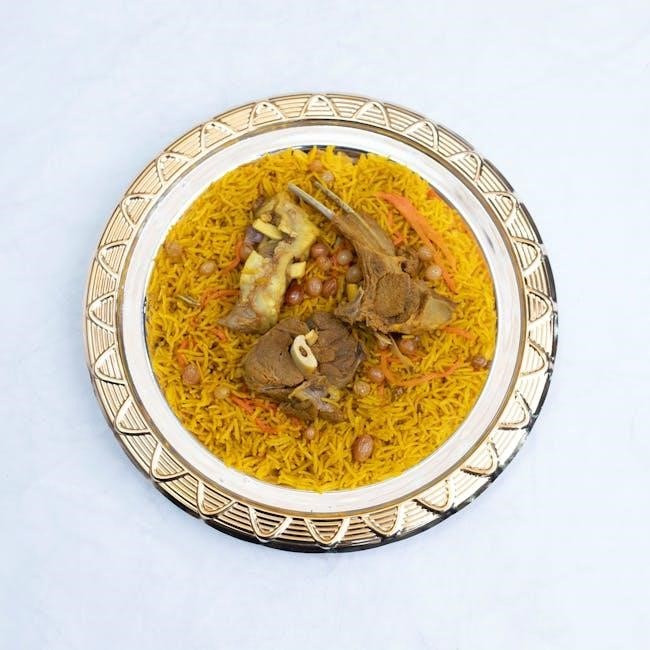
Begin by bringing salted water to a boil, adding the Carolina Gold rice, and then reducing heat to a simmer—stirring gently, uncovered, for optimal results․
Boiling the Water & Adding Rice
The initial step involves bringing six cups of water to a rolling boil, ensuring it’s adequately salted – this seasoning is crucial for developing the rice’s inherent flavors․ Once boiling, carefully add one cup of Carolina Gold rice to the water․ Immediately bring the mixture back to a boil, then swiftly reduce the heat to achieve a gentle, medium simmer․ This careful temperature control is paramount for even cooking and prevents the rice from becoming overly sticky or mushy․ Remember, consistent heat is key during this foundational stage of the cooking process․
Simmering Process & Stirring Technique
Maintain a medium simmer, avoiding a vigorous boil, for optimal texture․ Crucially, do not cover the pan during simmering; this allows steam to escape, preventing the rice from becoming overly soft․ Gentle stirring is essential, but avoid excessive agitation, which can release too much starch․ Stir occasionally to ensure even cooking and prevent sticking to the bottom of the pot․ The simmering duration varies based on rice freshness, so begin checking for doneness around ten minutes, as fresher rice cooks more quickly․
Optimal Cooking Time & Freshness Factor
Cooking time is dynamic, heavily influenced by the rice’s freshness․ Newer Carolina Gold rice requires less time, typically starting around 10 minutes of simmering․ Regularly taste-test after this point to assess doneness․ Older rice may need up to 15-20 minutes․ The goal is a tender, slightly chewy texture – avoid overcooking, which leads to mushiness․ Freshness significantly impacts the final result; consistently fresh rice, like that from Tidewater Grain Co․, yields superior flavor and texture․

Oven Finishing Technique
After boiling and rinsing, spread the rice on parchment and bake at 350°F for five minutes; This crucial step enhances texture and flavor beautifully․
Preheating the Oven
Achieving the ideal texture in Carolina Gold rice relies heavily on precise oven temperature control․ Begin by preheating your oven to 300 degrees Fahrenheit, as initially instructed, or alternatively, to 350 degrees Fahrenheit for a slightly quicker drying process․ Consistent heat distribution is paramount; ensure your oven rack is positioned centrally․
Allow sufficient time for the oven to reach the set temperature—approximately 15-20 minutes—before introducing the rice․ A properly preheated oven guarantees even drying, preventing scorching or unevenly textured grains․ This foundational step sets the stage for a perfectly finished dish․
Spreading Rice on Parchment Paper
After rinsing the cooked Carolina Gold rice, carefully transfer it to a parchment-lined sheet pan․ Ensure the rice is spread in a thin, even layer – this is crucial for uniform drying․ The parchment paper prevents sticking and facilitates easy removal once the oven-drying process is complete․
Avoid overcrowding the pan; use multiple pans if necessary․ A single layer allows steam to escape efficiently, contributing to the desired texture․ This step prepares the rice for the final oven stage, enhancing its delicate flavor and preventing clumping․
Oven Drying Duration & Temperature
Following the spreading of the rinsed rice on parchment, preheat your oven to 350 degrees Fahrenheit․ Place the sheet pan with the rice into the preheated oven and bake for approximately 5 minutes․ This brief oven exposure gently dries the exterior of each grain, contributing to a fluffy, separate texture․
Monitor closely to prevent over-drying or browning․ The goal is to remove excess moisture, not to toast the rice․ Adjust timing slightly based on your oven’s calibration and the rice’s initial moisture level․
Variations in Cooking Methods
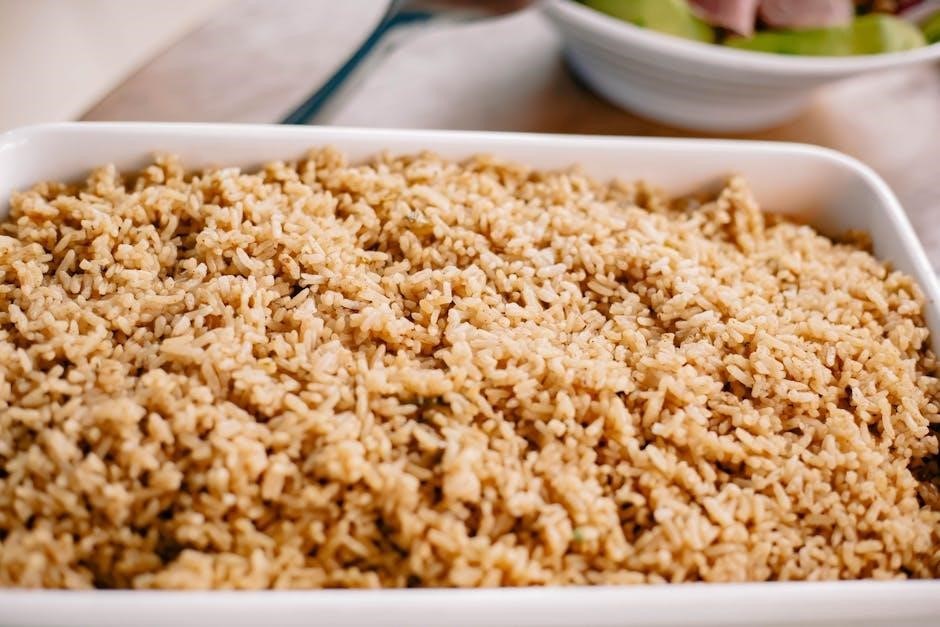
Beyond the traditional approach, explore pilaf techniques with sautéed rice, absorption methods in covered pots, or adapt the process for convenient rice cooker use․
Pilaf Method: Sautéing Before Simmering
The pilaf method elevates Carolina Gold rice by introducing an initial sautéing step․ Begin by melting butter or heating oil in your pot before adding the rice․ Toasting the grains for a few minutes unlocks a deeper, nuttier flavor profile․ This process creates a slight coating on each grain, preventing sticking and enhancing texture․
Subsequently, proceed with adding the water and simmering as outlined in the traditional stovetop method․ This technique results in a fluffier, more flavorful rice, ideal for serving alongside roasted meats or vegetables, offering a delightful aromatic experience․
Absorption Method: Cooking in a Covered Pot
The absorption method offers a convenient, hands-off approach to cooking Carolina Gold rice․ After bringing water to a boil and adding the rice, immediately reduce the heat to the lowest setting․ Crucially, cover the pot tightly to trap steam, allowing the rice to fully absorb the liquid․
Avoid lifting the lid during cooking, as this releases steam and disrupts the process․ This method typically takes around 20-25 minutes, resulting in tender, fluffy rice․ Once cooked, let it rest, covered, for 10 minutes before fluffing with a fork․
Rice Cooker Adaptation
Adapting Carolina Gold rice cooking to a rice cooker is surprisingly straightforward․ Use a 1:2 rice-to-water ratio, similar to many white rice varieties․ Begin by rinsing the rice thoroughly under cold water until the water runs clear․ This removes excess starch, preventing stickiness․
Select the “white rice” setting on your cooker and allow it to complete the cycle․ After cooking, let the rice rest, covered, for 10 minutes before fluffing․ This ensures even moisture distribution and a perfect texture․
Seasoning & Flavor Enhancements
Salt is essential for enhancing Carolina Gold’s natural flavors, while butter or oil adds richness․ Herbs and spices elevate the dish beautifully․
Salt: The Essential Seasoning
Salt plays a crucial role in bringing out the delicate, nutty flavors inherent in Carolina Gold rice․ When boiling the water initially, adding salt is paramount – approximately 6 cups of salted water are recommended for every 1 cup of rice․ This isn’t merely about taste; salt penetrates the grains during cooking, enhancing their overall profile․
Don’t underestimate its impact! Experiment with different types of salt – sea salt or kosher salt can offer nuanced flavors․ Adjust the amount to your preference, but a well-seasoned pot of Carolina Gold is a foundation for a truly exceptional dish․
Butter or Oil: Adding Richness
While not strictly traditional, incorporating butter or oil into the Carolina Gold rice cooking process elevates the final result, adding a luxurious mouthfeel and subtle flavor dimension․ A tablespoon of butter or a similar amount of olive oil can be added to the boiling water alongside the salt․
This imparts a gentle richness to each grain․ Alternatively, a swirl of butter can be added after the oven-finishing step for an even more pronounced effect․ Experiment to discover your preferred level of indulgence!
Herbs & Spices: Exploring Flavor Combinations
Carolina Gold rice’s delicate flavor serves as a beautiful canvas for various herbs and spices․ Consider adding a bay leaf to the boiling water for a subtle aromatic depth․ A pinch of saffron threads will impart a vibrant color and unique flavor․
Fresh herbs like thyme or rosemary, stirred in after cooking, offer bright, complementary notes․ Experiment with warming spices like cardamom or a dash of cayenne for a delightful twist!
Troubleshooting Common Issues
If rice is mushy, reduce simmering time next time․ For hard rice, increase simmering․ Sticky rice indicates insufficient rinsing or too much starch remains․
Rice is Too Mushy
Experiencing mushy Carolina Gold rice? This typically indicates overcooking, meaning the rice absorbed too much water during the simmering process․ Next time, carefully reduce the simmering time, beginning to check for doneness a few minutes earlier than previously․ Remember, freshness impacts cooking duration; very fresh rice cooks faster․
Also, ensure accurate measurement of both rice and water․ A precise rice-to-water ratio is crucial․ If mushiness persists, slightly decrease the amount of water used in subsequent attempts․ Consistent monitoring and adjustment are key to achieving the perfect texture․
Rice is Too Hard
If your Carolina Gold rice remains stubbornly hard, it likely hasn’t absorbed enough water during cooking․ Increase the simmering time, checking every few minutes to avoid overcorrection․ Remember, fresher rice generally requires less cooking time, while older rice may need more․
Consider adding a tablespoon or two of extra water during the simmering process, ensuring it’s fully absorbed before checking for doneness again․ Accurate measurement of water is vital; slightly increasing the ratio can resolve this issue․
Rice Sticks to the Bottom of the Pot
Preventing rice from sticking requires consistent attention․ Lowering the heat to a gentle simmer is crucial, as a vigorous boil encourages sticking․ Regular, gentle stirring – but not excessive – dislodges any grains attempting to adhere to the pot’s surface․
Using a heavy-bottomed pot distributes heat more evenly, minimizing hot spots․ Ensure sufficient liquid is present throughout the cooking process; a slightly higher water ratio can also help prevent sticking and scorching․
Serving Suggestions
Carolina Gold rice beautifully complements seafood, Southern dishes, and global cuisine, offering a versatile base for flavorful meals and delightful culinary explorations․
Pairing with Seafood
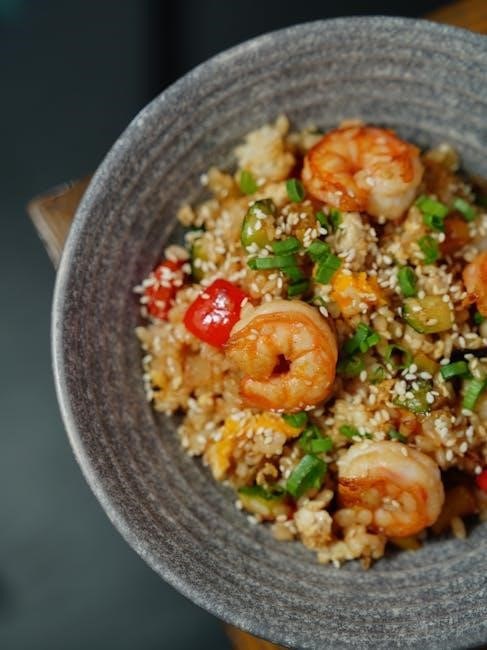
Carolina Gold rice’s delicate, nutty flavor profile makes it an exceptional accompaniment to a wide array of seafood dishes․ Its subtle sweetness enhances the natural flavors of fish, shrimp, and shellfish without overpowering them․ Consider pairing it with grilled or pan-seared flounder, a classic Lowcountry shrimp boil, or a delicate crab cake․ The rice’s slightly sticky texture also beautifully absorbs flavorful sauces, like a lemon-butter sauce or a spicy Creole remoulade, creating a harmonious and satisfying culinary experience․ It truly elevates the seafood experience!
Complementing with Southern Cuisine
Carolina Gold rice is intrinsically linked to the culinary heritage of the American South, making it a perfect partner for traditional Southern dishes․ Its history as a staple crop in the region lends itself beautifully to pairings like slow-cooked barbecue, fried chicken, and collard greens․ The rice’s texture and flavor also complement creamy shrimp and grits, or a hearty helping of Hoppin’ John․ It provides a comforting base for rich gravies and sauces, embodying the soul of Southern comfort food and honoring its roots․
Versatility in Global Dishes
Carolina Gold rice transcends regional boundaries, offering remarkable versatility in global cuisine․ Its delicate flavor profile makes it an excellent base for Asian-inspired stir-fries, Spanish paella, or Italian risotto-style preparations․ The rice readily absorbs flavors, enhancing dishes from Moroccan tagines to Caribbean rice and beans․ Its unique texture holds up well to diverse cooking techniques, proving it’s not just a Southern staple, but a globally adaptable ingredient capable of elevating countless culinary creations․
Carolina Gold Rice & North Carolina
Carolina Gold boasts a deep historical connection to North Carolina, once a major production center, and its revival supports local farmers today․
The Rice’s Historical Connection to the State
Carolina Gold wasn’t just grown in North Carolina; it fundamentally shaped the state’s economy and culture for generations․ Before the Civil War, the coastal regions thrived on rice plantations, making it a cornerstone of wealth․ This variety was particularly suited to the state’s climate and lowlands, becoming synonymous with Southern prosperity․
However, production drastically declined after the war and with the rise of other rice types․ Today, a dedicated effort is underway to revive this heritage grain, reconnecting North Carolina to its agricultural roots and preserving a vital piece of its past․
Current Carolina Gold Rice Production in NC
North Carolina is experiencing a resurgence in Carolina Gold rice cultivation, driven by dedicated farmers and a growing consumer demand for heritage grains․ While production remains smaller compared to commodity rice, several farms are committed to growing this unique variety․
Tidewater Grain Co․ is a prominent example, actively working to bring this historical grain back to the forefront․ These efforts not only preserve agricultural biodiversity but also support local economies and offer consumers a taste of North Carolina’s rich culinary heritage․
Supporting Local Farmers
Purchasing Carolina Gold rice directly from North Carolina farmers and producers is crucial for sustaining this agricultural revival․ By choosing locally grown rice, consumers actively contribute to the economic viability of small farms dedicated to preserving heritage grains․
Supporting these farmers ensures the continuation of traditional farming practices and promotes biodiversity within the state’s agricultural landscape․ Look for brands like Tidewater Grain Co․, and prioritize sourcing from farms committed to sustainable and responsible growing methods․
Nutritional Information
Carolina Gold rice provides carbohydrates for energy, alongside essential vitamins and minerals, and a modest amount of dietary fiber for digestive health․
Carbohydrate Content
Carolina Gold rice is primarily a carbohydrate source, providing the body with its main fuel․ A one-cup serving (cooked) typically contains around 45-50 grams of carbohydrates․ These carbohydrates are largely complex, offering a sustained release of energy compared to simple sugars․ This makes it a suitable choice for individuals needing prolonged stamina or those managing blood sugar levels․ The carbohydrate composition contributes to the rice’s satisfying texture and overall caloric density, making it a substantial component of a balanced meal․ Understanding this content is crucial for dietary planning․
Vitamin & Mineral Profile
Carolina Gold rice, while primarily a carbohydrate source, also offers a modest profile of vitamins and minerals․ It contains manganese, essential for bone health and metabolism, as well as magnesium, supporting muscle and nerve function․ Small amounts of iron, vital for oxygen transport, and B vitamins, crucial for energy production, are also present․ Though not exceptionally high in any single nutrient, its contribution to overall micronutrient intake is valuable, especially when incorporated into a diverse and balanced diet․
Fiber Content
Carolina Gold rice provides a source of dietary fiber, though the amount is moderate compared to whole grain varieties․ Fiber aids digestion, promotes satiety, and contributes to gut health․ It can also help regulate blood sugar levels and lower cholesterol․ While white Carolina Gold rice has had some of its fiber removed during processing, it still offers a beneficial contribution to daily fiber intake when enjoyed as part of a balanced meal․
Storing Carolina Gold Rice
Proper storage in airtight containers preserves freshness․ Uncooked rice boasts a lengthy shelf life, while cooked rice requires refrigeration for optimal quality․
Proper Storage Containers
To maintain the quality and longevity of your Carolina Gold rice, selecting the appropriate storage containers is crucial․ Opt for airtight containers made of glass, ceramic, or sturdy plastic․ These materials effectively shield the rice from moisture, pests, and unwanted odors that can compromise its flavor and texture․
Avoid storing rice in open bags or containers, as this exposes it to air and accelerates spoilage․ Ensure the containers are thoroughly dry before adding the rice, as even a small amount of moisture can lead to clumping or mold growth․ Properly sealed containers are key to preserving this historical grain․
Shelf Life of Uncooked Rice
Uncooked Carolina Gold rice, when stored correctly in airtight containers, boasts an impressively long shelf life․ White rice varieties, like Carolina Gold, can generally maintain optimal quality for up to two years․ However, it doesn’t necessarily “spoil” after this period; its flavor and texture may gradually diminish․
For best results, use the rice within the recommended timeframe․ Regularly inspect the rice for any signs of pests or off-odors․ Proper storage is paramount to enjoying the full potential of this heritage grain, preserving its unique characteristics for years to come․
Storing Cooked Carolina Gold Rice
Properly storing cooked Carolina Gold rice is crucial for maintaining its quality and preventing bacterial growth․ Cool the rice quickly after cooking, ideally within one hour, before transferring it to an airtight container․ Refrigerate promptly and consume within 3-4 days for optimal flavor and texture․
Ensure the rice is thoroughly chilled before sealing the container to minimize condensation․ Reheating should be done thoroughly to an internal temperature of 165°F (74°C) to ensure food safety and enjoy its delicate flavor․
Carolina Gold Rice vs․ Other Rice Varieties
Carolina Gold distinguishes itself with a unique nutty flavor and fluffy texture, differing significantly from the starchiness of Arborio or the fragrance of Jasmine rice․
Comparison with Long Grain Rice
Compared to typical long grain rice, Carolina Gold possesses a noticeably different character․ While long grain varieties often remain separate and fluffy, Carolina Gold exhibits a slight stickiness, creating a creamy yet distinct texture․ This difference stems from its medium-grain structure and higher starch content․ Long grain rice generally requires less attention during cooking, absorbing water predictably․
Carolina Gold, however, benefits from the oven-finishing step, ensuring even drying and preventing mushiness․ The flavor profile also diverges; long grain is relatively neutral, whereas Carolina Gold boasts a subtle, nutty sweetness․ Ultimately, Carolina Gold offers a more complex and nuanced culinary experience․
Comparison with Jasmine Rice
Distinguishing Carolina Gold from Jasmine rice reveals significant differences in aroma and texture․ Jasmine rice is famed for its floral fragrance, a characteristic absent in Carolina Gold, which presents a subtle, nutty aroma․ Jasmine typically cooks up soft and slightly sticky, ideal for Southeast Asian cuisine․
Carolina Gold, conversely, achieves a unique balance – tender, but with a defined bite, and less clingy․ The oven-finishing technique further sets it apart, creating a drier, more distinct grain․ While both are flavorful, Jasmine leans towards sweetness, while Carolina Gold offers a more savory profile․
Comparison with Arborio Rice
Contrasting Carolina Gold with Arborio rice highlights their differing culinary roles․ Arborio, renowned for risotto, boasts a high starch content, yielding a creamy, almost sauce-like texture when cooked․ Carolina Gold, however, possesses a lower starch level, resulting in distinct, separate grains․
While Arborio requires constant stirring to release its starch, Carolina Gold benefits from minimal intervention․ The oven-finishing step for Carolina Gold further differentiates it, creating a drier, fluffier result, unlike Arborio’s creamy consistency․ They are suited for vastly different dishes and cooking styles․