
Historically, wooden drawer slides were the standard, utilizing simple wood runners tenoned into cabinet rails.
These guides offer a traditional approach, contrasting with modern metal alternatives, and rely on the inherent properties of wood for function.
Different wood types sliding against each other provide smoother action and extended lifespan, avoiding wear from identical materials.
Historical Context of Wooden Drawer Slides
Before the advent of modern materials and manufacturing techniques, wood-on-wood drawer slides represented the primary method for enabling drawer movement in furniture construction. For centuries, cabinetmakers relied on the inherent qualities of wood – its workability, availability, and relative affordability – to create functional drawer systems.
Early examples, dating back to pre-industrial eras, involved simple wooden runners, often crafted from readily available hardwoods. These runners were typically tenoned directly into the cabinet’s horizontal rails, forming a basic sliding interface. The precision of these early slides depended heavily on the skill of the craftsman, requiring meticulous fitting and smoothing to ensure acceptable performance.
The practice of using differing wood species for the drawer slide and the cabinet carcass emerged as a rule of thumb, recognizing that identical wood types would exhibit accelerated wear. This understanding, passed down through generations of woodworkers, highlights an early form of tribological awareness – the study of friction and wear between surfaces. This historical approach prioritized longevity and smooth operation through material selection.
Advantages of Using Wood on Wood Guides
Wood-on-wood drawer guides offer several distinct advantages, particularly in restoration projects and for those seeking a traditional aesthetic. A primary benefit lies in their quiet operation; unlike metal slides, they lack the potential for metallic sounds during drawer movement. This subtlety is highly valued in environments prioritizing peacefulness.
Furthermore, wooden slides can be readily crafted from readily available materials, making them a cost-effective solution, especially when repurposing existing wood stock. Their construction doesn’t necessitate specialized tools or complex installation procedures, appealing to hobbyists and experienced woodworkers alike.
The use of differing wood species for the runners and cabinet enhances performance, reducing friction and extending the lifespan of the slides. This approach, rooted in historical woodworking practices, demonstrates a practical understanding of material interaction. Finally, wood slides seamlessly integrate with wooden cabinetry, maintaining a cohesive and visually harmonious design.
Disadvantages of Using Wood on Wood Guides
Despite their traditional charm, wood-on-wood drawer guides present several drawbacks compared to modern alternatives. A significant limitation is increased friction, requiring more force to open and close drawers, especially with heavier loads. This friction also contributes to faster wear and tear, necessitating more frequent maintenance and potential replacement.
Accuracy in construction is paramount; even slight imperfections in the runners can lead to binding or sticking. Achieving consistently smooth operation demands precise woodworking skills and meticulous attention to detail. Furthermore, wood is susceptible to environmental changes – humidity fluctuations can cause swelling or shrinking, impacting drawer functionality.
Compared to ball-bearing slides, wood guides offer limited weight capacity and may not be suitable for large or heavily loaded drawers. Lubrication is essential, but even with regular application, they generally don’t achieve the effortless glide of metal slides.

Materials Selection for Wood Drawer Guides
Choosing the right wood is crucial; different wood types offer varying hardness and wear resistance for runners and drawer boxes.
Utilizing dissimilar wood species minimizes friction and extends the lifespan of the drawer slides, ensuring smooth operation.
Choosing Different Wood Types for Runners
Selecting appropriate wood types for drawer runners is paramount to achieving smooth operation and longevity. Softer woods like pine are easier to work with but wear quickly, making them less ideal for high-use drawers. Conversely, hardwoods such as maple, oak, or beech offer superior durability and resistance to deformation under load.
However, the key principle lies in combining different wood species. For instance, using maple for the drawer box sides and oak for the cabinet carcass runners creates a system where one wood doesn’t rapidly wear down the other. This pairing leverages the strengths of each wood, reducing friction and extending the overall lifespan of the drawer slide system.
Consider the weight capacity of the drawer when making your selection. Heavier drawers necessitate harder, more robust wood choices. Furthermore, the aesthetic considerations of matching or contrasting wood grains can influence the final decision, balancing functionality with visual appeal.
Importance of Wood Grain Orientation
Wood grain orientation significantly impacts the performance and durability of wood-on-wood drawer guides. Runners should ideally be cut with the grain running lengthwise, parallel to the direction of drawer travel. This maximizes strength and minimizes the risk of splitting or warping under repeated stress.
Opposing grain directions between the drawer and cabinet runners are also beneficial. If the drawer side has a vertical grain, the cabinet runner should have a horizontal grain. This configuration reduces the likelihood of the two surfaces interlocking and creating friction.
Avoiding knots and imperfections in the wood is crucial. These weak points can compromise the structural integrity of the runner and lead to premature failure. Careful selection and preparation of the wood ensure a smooth, consistent sliding surface, contributing to the drawer’s overall functionality and longevity.
Wood Hardness and its Impact on Performance
Wood hardness, measured by the Janka hardness scale, is a critical factor in the longevity of wood-on-wood drawer guides. Softer woods like pine are more prone to wear and deformation under the constant friction of drawer movement, leading to sticking or binding.
Harder woods, such as maple, oak, or beech, offer superior resistance to abrasion and compression, ensuring smoother operation and extended lifespan. However, extremely hard woods can also cause increased wear on their mating surfaces, so a balance is essential.
Selecting woods with differing hardnesses for the drawer slides and runners can optimize performance. A slightly softer wood for the drawer slides paired with a harder wood for the cabinet runners can minimize wear on the drawer components while maintaining smooth gliding action. Careful consideration of wood hardness contributes to a durable and reliable drawer system.
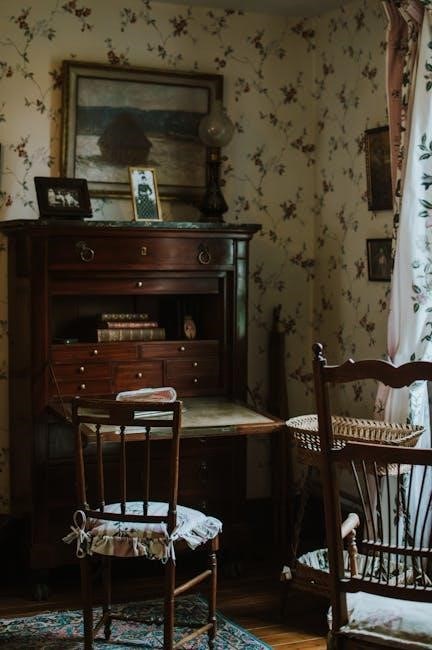
Construction Techniques for Wood on Wood Guides

Accurate and smooth runners are paramount, achieved through precise cutting and sanding.
Runners attach to drawer boxes via tenons or screws, while cabinet carcass attachment utilizes similar methods for stability.

Proper construction ensures seamless drawer function.
Creating Accurate and Smooth Runners
Achieving truly functional wood-on-wood drawer guides hinges on the precision of the runners themselves. The initial step involves selecting straight-grained wood, free from knots or significant imperfections that could introduce friction or weakness.
Runners must be milled to consistent dimensions – both in width and thickness – to ensure a snug, yet not overly tight, fit within the cabinet carcass. A slight taper can be introduced to the runners, widening towards the back of the drawer, to aid in alignment and prevent binding.
Sanding is critical; runners should be progressively smoothed with increasingly fine grits of sandpaper, culminating in a finish that feels almost polished to the touch. This minimizes friction and promotes effortless gliding. Attention must be paid to maintaining perfectly parallel surfaces along the entire length of the runner. Any deviation will cause sticking or uneven movement.

Finally, consider applying a very light coat of wax or a specialized wood lubricant to further reduce friction and enhance the smoothness of the slide.
Methods for Attaching Runners to Drawer Boxes
Securing runners to drawer boxes requires careful consideration to maintain squareness and structural integrity. A common method involves dadoes – grooves cut into the drawer box sides to accept the runners. This provides a flush, strong connection and ensures accurate alignment.
Alternatively, runners can be attached using screws, countersunk to prevent snagging. Predrilling pilot holes is essential to avoid splitting the wood, particularly with hardwoods. Glue, in conjunction with screws, further strengthens the bond.
Placement is key; runners must be positioned consistently on each drawer box and aligned with their corresponding counterparts within the cabinet carcass. Clamping the runners during glue-up ensures a tight, gap-free connection.
For lighter-duty drawers, small brads or finish nails can be used, though this method offers less long-term stability than dadoes or screws. Regardless of the chosen method, verifying squareness throughout the process is paramount.
Methods for Attaching Runners to Cabinet Carcass
Attaching runners to the cabinet carcass mirrors the precision needed for drawer box installation. Dadoes are again a strong option, creating a recessed channel for the runners to sit within, ensuring flush alignment and robust support. Screws, coupled with wood glue, provide a reliable alternative, particularly when dadoing isn’t feasible.
Consistent placement is crucial; runners must be level and aligned with their drawer box counterparts to guarantee smooth operation. Using a story stick – a marked piece of wood – helps maintain uniformity across multiple drawers.
For face-frame construction, runners are typically tenoned into the horizontal rails, creating a traditional and structurally sound connection. Ensuring the tenons are tight-fitting and well-glued is vital.
Reinforcement with corner blocks or additional screws can enhance stability, especially for heavier drawers. Careful attention to detail during carcass runner installation prevents binding and ensures long-lasting performance.
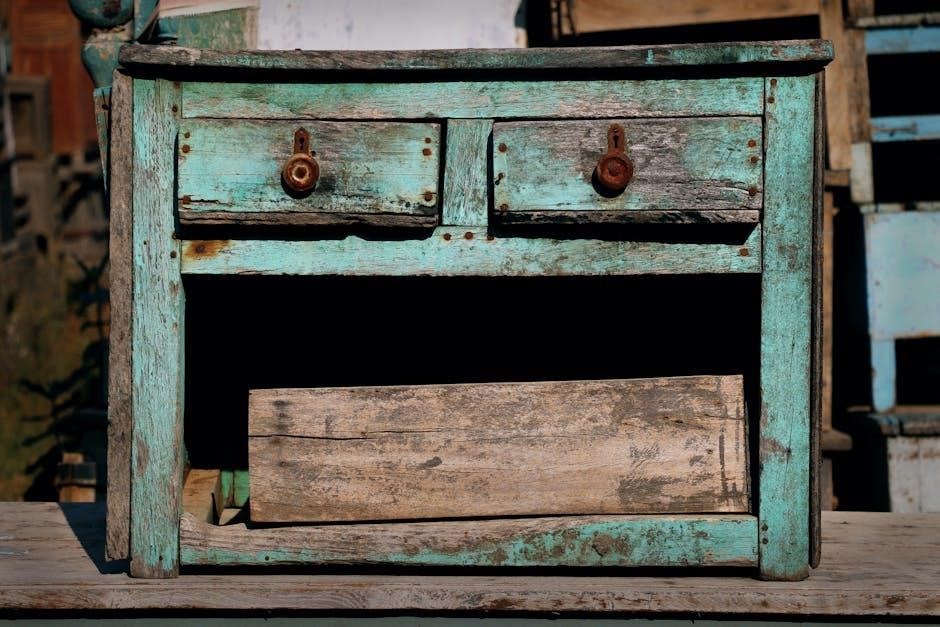
Maintenance and Troubleshooting

Regular lubrication, using wax or specialized drawer slide lubricants, keeps wood surfaces gliding smoothly.
Addressing sticking involves identifying the cause – often dust or wood swelling – and correcting it promptly.
Repairing damage may require patching or runner replacement.
Lubrication Options for Wooden Drawer Slides
Maintaining smooth operation of wood on wood drawer guides hinges on effective lubrication. Unlike metal slides relying on ball bearings, wooden slides require substances that reduce friction between wood surfaces. Historically, beeswax was a common choice, offering a natural and effective solution. Simply rubbing a block of beeswax along the runners creates a dry, slick coating.
Modern alternatives include specialized furniture waxes and silicone-based lubricants designed for wood. These provide longer-lasting lubrication and can be easier to apply. Avoid oil-based lubricants, as they can attract dust and gum up the works over time. Paraffin wax is another viable option, though it may require more frequent reapplication than beeswax or silicone sprays.
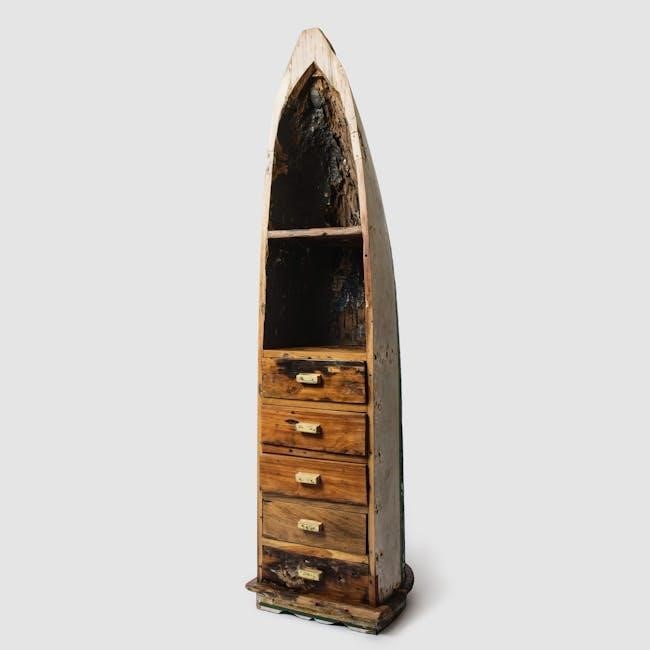
Application is key; a thin, even coat is preferable to a heavy buildup. Excess lubricant attracts debris. Regularly inspect the runners and reapply as needed, typically every few months or when you notice increased friction. Proper lubrication significantly extends the life and usability of your wooden drawer guides.
Addressing Sticking or Binding Issues
Sticking or binding in wood on wood drawer slides often indicates friction buildup or slight misalignment. First, thoroughly clean the runners, removing any accumulated dust, dirt, or old lubricant. A soft brush or vacuum with a brush attachment works well. Inspect the runners for warping or damage; even minor imperfections can cause issues.
If the drawer binds in a specific spot, gently sand that area of the runners with fine-grit sandpaper (220-grit or higher). Be cautious not to remove too much material, as this can worsen the problem. Ensure the drawer box itself isn’t warped or swollen due to humidity.
Check for proper alignment. The runners must be parallel and securely attached to both the drawer box and cabinet carcass. Loose screws should be tightened. If sanding and cleaning don’t resolve the issue, re-lubrication with beeswax or silicone spray is the next step. Persistent binding may necessitate runner replacement.
Repairing Worn or Damaged Wooden Guides
Worn wooden drawer guides often exhibit rounded edges or grooves from repeated use. Minor wear can sometimes be addressed by carefully applying thin wood shims to the runners, building up the worn areas. Secure the shims with wood glue and clamp until dry, then sand smooth to maintain a consistent sliding surface.
For more significant damage, such as splits or cracks, complete runner replacement is usually the most reliable solution. Replicating the original runners with matching wood type and dimensions ensures proper function. When replacing, pay close attention to the original attachment method – tenons, screws, or glue.
Before re-installing, ensure the cabinet carcass and drawer box surfaces are clean and free of debris. Consider applying a lubricant like beeswax to the new runners to facilitate smooth operation and prolong their lifespan. A well-executed repair restores functionality and preserves the drawer’s original character.

Comparison with Modern Drawer Slides
Modern metal slides, often ball-bearing equipped, offer smoother action and higher weight capacity than traditional wood-on-wood guides.
However, wood slides provide a classic aesthetic and can be more cost-effective for certain applications, offering a unique charm.
Wood vs. Steel Drawer Slides: A Detailed Comparison
Wood drawer slides, steeped in tradition, present a distinctly different experience compared to their steel counterparts. Steel slides, particularly those with ball bearings – as offered by Van Dykes Restorers – prioritize smooth, effortless operation and robust weight-bearing capabilities. They excel in demanding applications where ease of movement is paramount.
Conversely, wood slides, while potentially requiring more effort to open and close, offer a quieter operation and a warmth that complements traditional woodworking styles. The choice of wood – and crucially, using differing wood types for runners – impacts performance, minimizing wear as noted in Reddit’s r/woodworking discussions.
Steel slides generally require professional installation for optimal alignment, while wood slides can be more readily adjusted during construction. Cost is another factor; wood can be more economical, especially when utilizing readily available lumber, though high-quality steel slides are becoming increasingly affordable. Ultimately, the best choice hinges on the project’s aesthetic goals, functional requirements, and budget.
Cost Analysis: Wood vs. Metal Slides
Evaluating the cost of drawer slides reveals a nuanced picture. Traditionally, wood on wood guides represented a lower initial investment, leveraging readily available lumber and basic woodworking skills. This aligns with the ethos of Popular Woodworking’s emphasis on traditional casework techniques. However, the cost isn’t solely material-based.
Steel drawer slides, particularly those with ball-bearing mechanisms from suppliers like Van Dykes Restorers, have become increasingly competitive in price. While the upfront cost might be higher, they often require less skilled labor for installation, potentially saving on professional fees.
Furthermore, consider long-term costs. Wood slides may necessitate periodic lubrication and eventual repair or replacement due to wear. Steel slides, being more durable, generally offer a longer lifespan, reducing future expenses. The final cost comparison depends heavily on the scale of the project, the quality of materials chosen, and the availability of woodworking expertise.
When to Choose Wood on Wood Guides
Opting for wood on wood drawer guides is a deliberate choice, best suited for specific scenarios. Restoration projects, particularly those aiming for historical accuracy, almost demand wooden slides to maintain authenticity. As Van Dykes Restorers highlights, solid wood slides are crucial for preserving the original character of antique furniture.
Additionally, wood slides excel in situations where a minimalist aesthetic is desired. They require no visible metal hardware, blending seamlessly with the surrounding wood cabinetry. For smaller drawers with lighter loads, the performance difference between wood and metal is less pronounced, making wood a viable option.
However, consider the skill level required for precise construction and maintenance. If you enjoy traditional woodworking and are comfortable with lubrication and potential repairs, wood slides offer a rewarding, albeit more involved, experience.